

Creating an Inviting Warmth
Creating an Inviting Warmth
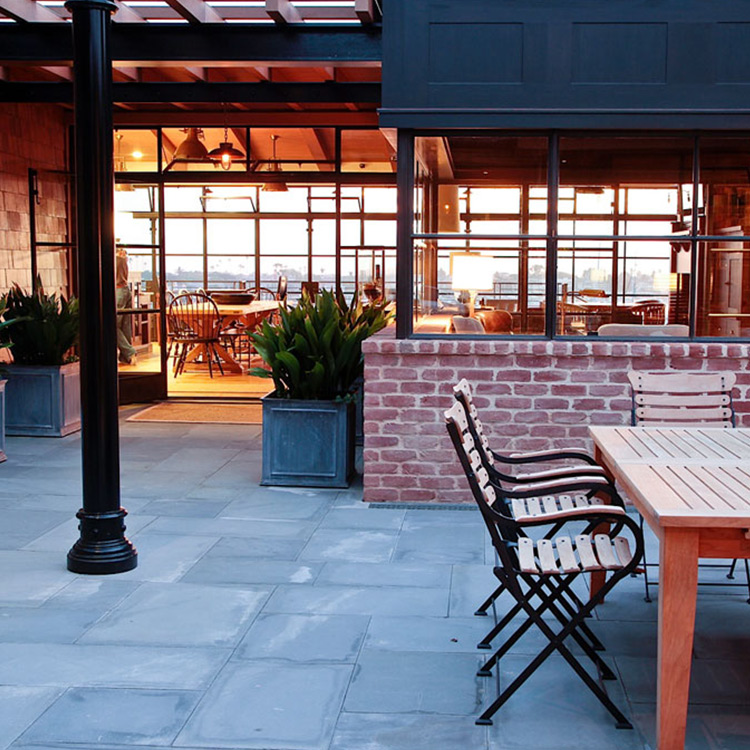
As day transitions to evening, the warm glow of the home draws the eye inward from the patio.
Even with expansive floor-to-ceiling glass and abundant natural light, a thoughtfully engineered lighting system enhances the architecture—guiding the gaze, defining depth, and creating an inviting sense of interior warmth.
When lighting is designed with purpose, it doesn’t compete with daylight—it completes the experience.
In homes defined by openness and transparency, lighting plays a critical role in shaping how spaces feel after sunset. Large expanses of glass invite natural light deep into the interior during the day, creating a bright, airy atmosphere. But as daylight fades, the transition to evening requires a different kind of visual balance.
Here, illumination is used to gently draw the eye inward. Warm tones replace the cooler hues of daylight, establishing a sense of comfort and enclosure without sacrificing the architectural clarity of the space. Light traces the geometry of the structure, revealing ceiling planes, vertical surfaces, and material textures with quiet precision.
Rather than overpowering the natural character of the home, the lighting system complements it. Subtle layers of illumination define depth and dimension, allowing interior spaces to feel intimate while remaining visually connected to the outdoors. The result is a seamless shift from day to night — one that feels natural rather than abrupt.
Architectural lighting is most successful when it feels invisible. Fixtures remain discreet, while the light itself becomes the design tool. Carefully controlled beam angles prevent glare and preserve visual comfort, ensuring that the environment feels calm, balanced, and welcoming.
Warm light has a powerful emotional impact. It softens surfaces, enhances natural materials, and encourages a sense of relaxation. In social spaces, it supports conversation and connection. In quieter areas, it creates a feeling of retreat. Every moment is shaped by light that responds to how the home is lived in.
This level of refinement is only possible when lighting is considered early in the design process. By working alongside architects and interior designers from the beginning, lighting can be integrated into the structure itself — shaping the way spaces transition, interact, and feel throughout the day.
As evening settles in, the home becomes a beacon of warmth. The interior glows gently against the surrounding landscape, inviting movement inward and reinforcing the connection between architecture and atmosphere.
When lighting is designed with intention, it does more than illuminate. It welcomes.
If you’re looking to create a home that feels just as inviting at night as it does during the day, we invite you to connect with Adaptive Design Group and begin the design conversation.