

Texture In Lighting
Mastery of Texture In Lighting
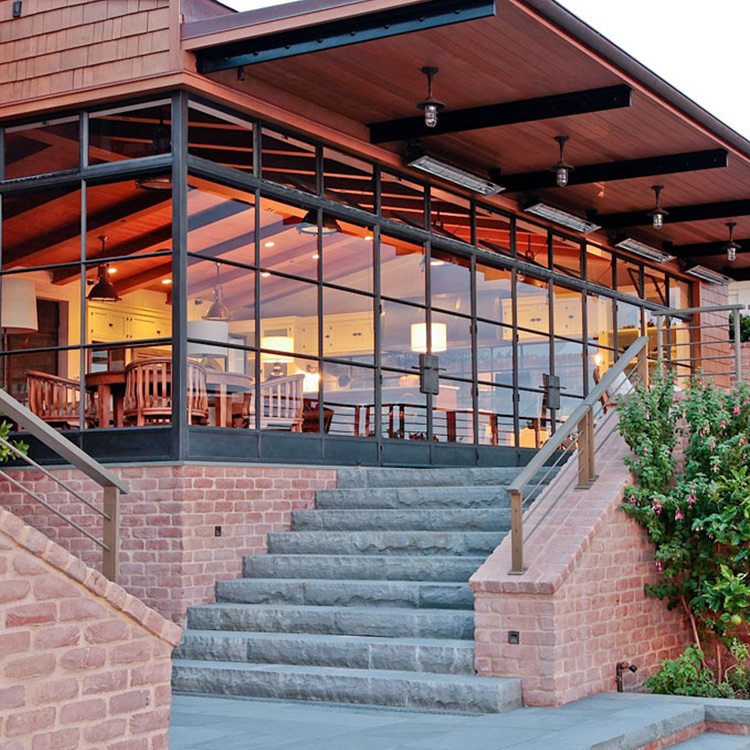
From the front approach, the home is awash in warm light—drawing the eye upward along the stairway and across the façade. Thoughtfully designed illumination enhances the texture of brick and concrete, transforming these materials into a welcoming, refined exterior presence.
Lighting sets the tone long before you step inside.
Texture has always been a powerful element in art and architecture. It adds depth, character, and emotional resonance to a space. Whether expressed through stone, brick, wood, or concrete, texture tells a story about craftsmanship, materiality, and design intent. But without light, texture remains silent.
Architectural lighting brings these surfaces to life.
Here, carefully positioned illumination grazes across the façade, revealing subtle variations in the brickwork and the natural grain of the concrete. Shadows form gently within recesses, while highlights trace edges and planes. The result is a visual rhythm that feels rich, dimensional, and inviting rather than flat or uniform.
Warm light plays a particularly important role in this composition. It softens harder materials, creating a sense of comfort without diminishing their strength. Brick feels grounded and timeless. Concrete feels sculptural rather than industrial. The home presents itself with quiet confidence, establishing a sense of welcome before the door is ever opened.
The stairway becomes more than a functional element. Light guides movement upward, reinforcing the architectural flow while providing visual clarity and safety. Each step is defined without distraction, allowing the journey toward the entrance to feel natural and intentional.
In artistic composition, texture creates contrast. Smooth against rough. Light against shadow. Stillness against motion. Lighting amplifies these relationships, allowing materials to express their full character without competing for attention. The architecture remains the focal point — the light simply reveals it.
This approach requires restraint. Key fixtures are integrated discreetly, ensuring that illumination feels like part of the structure rather than an added layer. The goal is never to showcase the lighting itself, but to enhance the experience of the architecture.
When texture and light work together, the exterior becomes more than a façade. It becomes an introduction to the home’s design philosophy — one rooted in material honesty, thoughtful craftsmanship, and visual harmony.
Lighting, when designed with purpose, doesn’t just illuminate surfaces. It reveals the soul of the architecture.
If you’re seeking lighting that enhances material texture and architectural character with quiet precision, we invite you to connect with Adaptive Design Group and begin the conversation.