

Blog

Elegant Space is Illuminated
Elegant Space is Illuminated 750 750 Adaptive Design Group, Inc.

Elegant Space is Illuminated

Elegant Space is Illuminated

A dining room that commands presence.

This elegant space is illuminated using our signature Layered Lighting, a cornerstone of the Adaptive Method®, designed to shape mood, define architecture, and elevate every moment around the table.

From the exquisite chandelier to the subtle accents that sculpt the room’s features, every layer works together to create harmony, intention, and atmosphere.

Lighting is not just an accessory—it’s an experience.
Let’s design it beautifully.

In luxury residential design, the dining room holds a unique role. It is both ceremonial and personal — a place for daily connection and meaningful gatherings alike. Lighting must support that dual purpose, balancing visual clarity with warmth, intimacy, and architectural presence.

Here, illumination is composed with precision. The chandelier anchors the space, establishing scale and elegance while serving as a visual focal point. Its form complements the architecture rather than overpowering it, setting the tone for the room. Surrounding layers quietly reinforce this centerpiece, adding depth and softness without drawing attention away from the experience at the table.

Subtle accent lighting enhances architectural details, textures, and finishes, allowing materials to reveal themselves naturally. Walls feel dimensional rather than flat. Ceiling volumes feel intentional rather than undefined. Light gently sculpts the space, creating visual interest from every angle while maintaining a calm, composed atmosphere.

Equally important is control. Thoughtfully engineered dimming ensures the space adapts effortlessly — brighter for lively gatherings, softer for intimate evenings. The transition is seamless, allowing the mood to shift without disruption. This flexibility is essential in a space designed for connection, conversation, and shared moments.

By integrating lighting early in the architectural and interior design process, every element works together in harmony. Fixtures are placed with intention. Light is shaped rather than scattered. The result is a dining environment that feels timeless, refined, and deeply considered.

When layered lighting is executed with care, the room doesn’t just look beautiful — it feels right. Guests linger longer. Conversations flow more naturally. The space supports the experience rather than distracting from it.

If you’re planning a dining space where architecture, atmosphere, and experience matter equally, we invite you to connect with Adaptive Design Group and begin the design process together.

#AdaptiveDesignGroup

Comfort Meets Serenity
Comfort Meets Serenity 750 750 Adaptive Design Group, Inc.

Comfort Meets Serenity

Comfort Meets Serenity

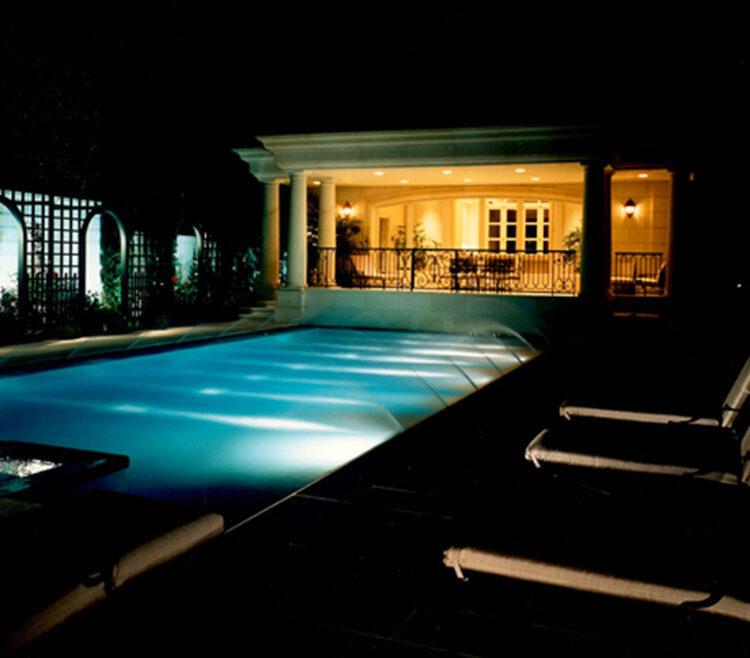
Where indoor comfort meets outdoor serenity.

As the sun sets, the lighting becomes an intentional extension of the home’s interior design — carrying the same warmth, balance, and visual rhythm into the pool deck, lounge areas, and landscape.

Thoughtful illumination softens transitions, highlights architectural lines, and creates a cohesive environment that feels as inviting outside as it does within. The result is a seamless flow for relaxing evenings or effortless entertaining, all elevated by lighting that connects every space.

In luxury residential design, the boundary between indoors and outdoors is no longer a fixed threshold. Large openings, expansive glazing, and integrated outdoor living areas invite continuity — and lighting plays a critical role in maintaining that connection after dark. When designed intentionally, exterior lighting reinforces the same sense of comfort, scale, and refinement found inside the home.

Subtle layers of illumination define gathering areas without overpowering the surrounding landscape. Pool decks and terraces are gently guided with low-level path lighting, while architectural features are revealed through controlled highlights that respect material, form, and proportion. Landscape elements add depth and texture, enhancing the environment without distraction.

The goal is balance. Exterior lighting should never feel theatrical or excessive. Instead, it should support how the space is used — providing clarity for movement, comfort for relaxation, and atmosphere for social moments. Light is carefully shaped and positioned to avoid glare, preserve night skies, and maintain a calm visual experience.

When interior and exterior lighting are designed as a single, unified system, the home feels larger, more connected, and more inviting. Sightlines remain comfortable. Views outward feel intentional rather than stark. The exterior becomes an extension of daily living rather than a space that disappears after sunset.

This level of cohesion is achieved through early collaboration between the architect, interior designer, and lighting designer — ensuring materials, architectural details, and exterior spaces are considered holistically. The result is a residence that transitions naturally from day to night, indoors to outdoors, without interruption.

Lighting that connects every space creates environments that feel serene, effortless, and timeless — spaces where comfort doesn’t end at the threshold, and evenings unfold with quiet elegance.

If you’re ready to explore how lighting can unify your interior and exterior spaces, we invite you to connect with Adaptive Design Group and begin the conversation.

#AdaptiveDesignGroup

Light Leads the Way
Light Leads the Way 750 750 Adaptive Design Group, Inc.

Light Leads the Way

Light Leads the Way

In this home, light leads the way — not as an accent applied after construction, but as a guiding element woven into the architecture from the earliest design phase.

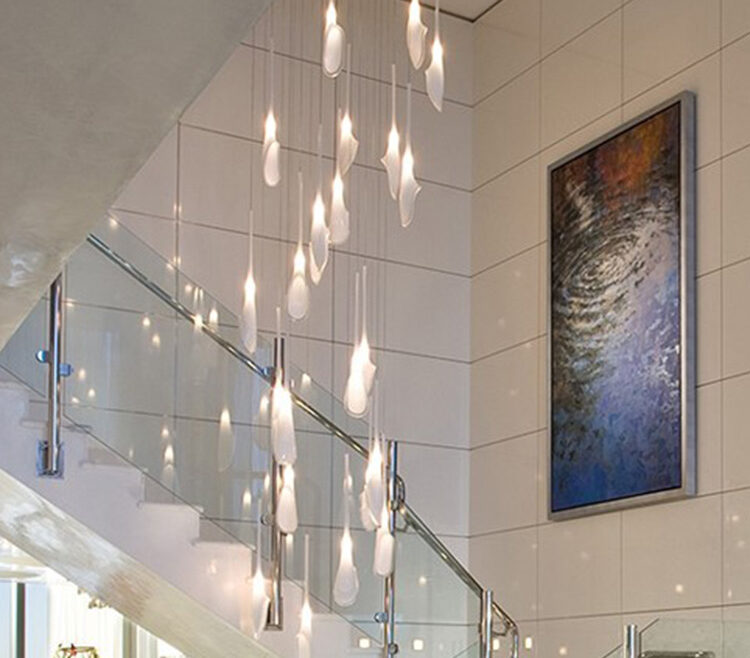
The vaulted stairwell becomes more than a vertical transition. Carefully layered illumination highlights its scale and structure while maintaining a quiet, composed presence. Decorative fixtures introduce a sense of rhythm and visual refinement, while discreet functional lighting ensures each step is softly and safely defined. The result is not brightness for its own sake, but clarity — a balance of form, function, and comfort.

As light carries through the living spaces, it does so with continuity and intention. Transitions are seamless. Spaces unfold naturally. The eye moves effortlessly from one area to the next, guided by light that supports architecture rather than competing with it. This sense of flow is achieved through thoughtful coordination between architectural forms, interior finishes, and precisely engineered lighting solutions.

Early integration is essential. When lighting design begins at the blueprint phase, it allows structural elements, ceiling details, materials, and circulation paths to inform the placement and performance of light. Vaults, planes, and volumes are illuminated intentionally, preserving the integrity of the design while enhancing the lived experience of the home. Nothing feels added later. Nothing feels excessive.

The stairwell becomes an architectural moment — an experience. Subtle path illumination provides orientation without visual distraction. Decorative elements contribute warmth and presence without overpowering the space. Light supports movement, reveals craftsmanship, and reinforces the home’s overall design language.

This approach reflects a deeper philosophy: lighting should feel natural, almost invisible. When done correctly, it creates an environment that is both functional and emotionally resonant. Residents don’t notice the fixtures — they notice how the home feels at night. Calm. Balanced. Inviting.

Beautiful design becomes effortless when lighting is considered early and executed with precision. When light leads the way, architecture speaks clearly, spaces feel intentional, and the home reveals itself exactly as it was meant to be experienced — thoughtfully, comfortably, and with quiet confidence.

Contact us for your luxury residential lighting project.

#AdaptiveDesignGroup

Designing Warm Welcomes
Designing Warm Welcomes 750 750 Adaptive Design Group, Inc.

Designing Warm Welcomes

Designing Warm Welcomes

A warm welcome, the moment you arrive.

Thoughtfully layered architectural and landscape lighting guides you home with gentle glow and natural warmth — enhancing safety, emphasizing design, and elevating the experience of arrival.

The arrival sequence of a home is one of the most important aspects of architectural design, yet it’s often overlooked when lighting is treated as an afterthought. At Adaptive Design Group, we view the exterior approach as the first chapter in the story a residence tells — a moment where light, architecture, and landscape work together to create an atmosphere of comfort, intention, and belonging.

The process of designing warm welcomes, starts with understanding.

Designing a warm welcome begins long before a single fixture is installed. It starts by understanding the home’s orientation, natural landscape features, material palette, and architectural rhythm. Our process ensures that lighting enhances these elements rather than competes with them. Pathways are softly illuminated to guide footsteps, driveways receive gentle gradients of light instead of harsh beams, and key architectural lines are highlighted with subtle precision to draw the eye toward the entry.

Landscape lighting plays an equally important role. By accentuating trees, plantings, stonework, and natural contours, we create depth that feels organic and inviting. Shadows become part of the composition, and the home settles comfortably into its surroundings. Instead of overpowering the property, the lighting supports it — shaping space, improving visibility, and creating emotional resonance the moment someone arrives.

Warmth is at the core of this approach. Through the careful use of color temperature, dimming, and fixture placement, we ensure the home feels lived-in and welcoming, not overlit or sterile. The glow at the entry should feel like an open door — an embrace of light that signals comfort and safety. This is where architectural lighting shifts from a technical element to a human experience.

Inside the home, this warm arrival seamlessly transitions through the foyer and into adjacent spaces. Exterior lighting is balanced with interior glow to avoid abrupt contrast, creating a gentle progression that feels cohesive and intentional. The goal is simple: a home that greets you softly, whether you’ve been gone for days or simply stepped outside for a moment.

When lighting is integrated early, the entire arrival sequence becomes more than functional — it becomes transformative. Light defines how the home is perceived from the street, how guests experience their first steps inside, and how each resident feels when returning after a long day. It’s an emotional touchpoint that sets the tone for the entire residence.

At Adaptive Design Group, we design these warm welcomes with the same care we apply to every layer of light within a home — blending technical expertise with artistic intention to elevate the experience of arrival from the very first glow.

Contact us for your luxury residential lighting project.

#AdaptiveDesignGroup

Lighting Harmonizing with Nature
Lighting Harmonizing with Nature 750 750 Adaptive Design Group, Inc.

Lighting Harmonizing with Nature

Lighting Harmonizing with Nature

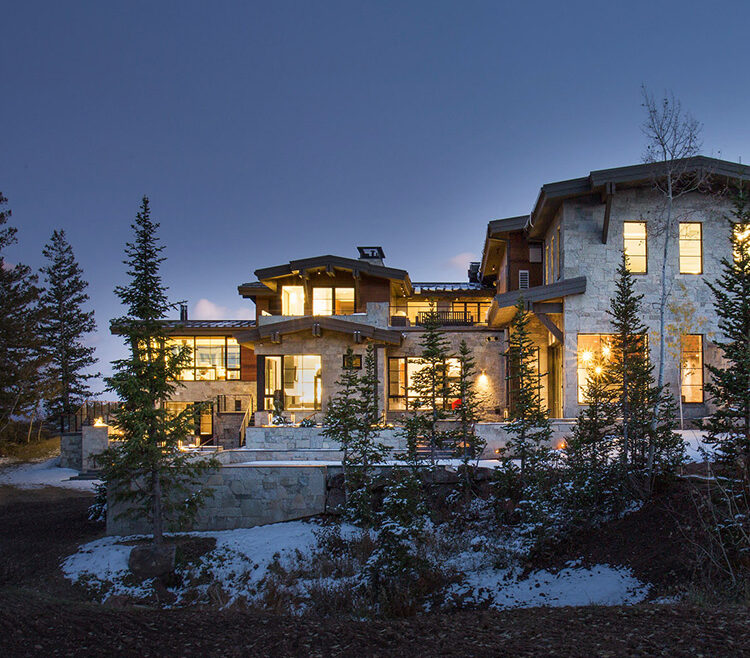
There’s a special kind of magic when a home’s lighting enhances—not competes with—the beauty around it.
In this project, the Northern Lights took center stage while the interior glows warmly, designed with intention and full respect for Dark Sky ordinances.

At Adaptive Design Group, we believe lighting should serve the architecture, the environment, and the people who live within it. Thoughtful illumination preserves the night sky, reduces light pollution, and allows homeowners to experience their surroundings exactly as nature intended.

This is the power of being brought in early: lighting that elevates the home, protects the landscape, and honors the view.

Adaptive Design Group — national leaders in residential lighting design, engineering, and architectural collaboration.

Nature is often the strongest design partner—especially in regions where the night sky is a spectacle in itself. In places touched by the Northern Lights, mountain silhouettes, or sweeping open landscapes, poorly planned lighting can easily wash out the very beauty homeowners invested in. That’s why harmonizing artificial illumination with the natural world requires a level of restraint, intention, and technical understanding that goes far beyond standard lighting layouts.

In this residence, the lighting strategy began at the earliest stages of architectural development. Every fixture, every lumen, and every beam spread was selected with respect for the home’s surroundings. Interior lighting was kept warm, dimmable, and visually quiet—providing comfort without overpowering the view outside. The priority was creating a glow that supports nighttime living while allowing the exterior horizon to remain the star.

Dark Sky compliance was more than an ordinance to follow; it was a philosophy. Exterior lighting was shielded, directed downward, and limited to what was necessary for safety and ambiance. Landscape elements were softly accentuated rather than floodlit, allowing the property to feel integrated with the land instead of imposed upon it. This not only reduces light pollution but ensures homeowners can experience true darkness, true stars, and true connection to the environment.

Inside, strategic layering maintains comfort and usability without creating glare on the windows. Decorative fixtures add warmth without visual noise. Architectural lighting is subtle and recessed, framing moments rather than demanding attention. Each decision honors the principle that the home should glow from within while letting the world outside remain pristine.

Harmonizing with nature isn’t about minimizing lighting—it’s about maximizing its purpose. It’s about understanding how illumination interacts with weather, seasons, reflection, and the human eye. And above all, it’s about giving homeowners the gift of experiencing nighttime the way it was always meant to be.

This is the essence of intentional lighting design. And it’s why bringing Adaptive Design Group into the process early creates results that are not only beautiful, but timeless, responsible, and deeply connected to place.

Contact us for your mountain luxury residential project.

#AdaptiveDesignGroup

Lighting Design with Intention
Lighting Design with Intention 750 750 Adaptive Design Group, Inc.

Lighting Design with Intention

Lighting Design with Intention

In this kitchen and dining area, lighting becomes the quiet architect of the space. The decorative fixture above the dining table adds personality and presence, creating a sense of place within an open-concept layout. It subtly signals a transition—from the function of the kitchen to the invitation of the dining area—without the need for walls.

When lighting and design work together with intention, even the most open spaces feel beautifully defined.

Open-concept homes rely on more than architecture alone to create boundaries and flow. Without thoughtful lighting, spaces can easily blend in ways that feel unfocused or visually flat. Here, the lighting plan solves that challenge with subtlety and refinement. Task illumination keeps the kitchen bright and functional, ensuring work surfaces are clearly lit without creating glare. Meanwhile, the dining area shifts into a warmer, more intimate tone—inviting conversation, slowing the pace, and setting the stage for gathering.

This intentional contrast is key. It allows each zone to stand on its own while remaining connected within the larger space. The decorative dining fixture becomes both a focal point and a spatial anchor, adding character without overpowering the natural architecture. Its scale, placement, and tone all contribute to a sense of balance—reinforcing the idea that lighting can shape atmosphere just as effectively as materials or furniture.

Above, integrated architectural lighting does its own quiet work. Subtle downlighting provides gentle overall illumination, while accent layers highlight textures, cabinetry, and ceiling details that might otherwise go unnoticed. Every element plays a role, from the temperature of the light to the direction of each beam. Together, these choices create a cohesive visual rhythm that guides the eye naturally from one zone to the next.

This is the power of intentional lighting design: it defines space without dividing it, enhances functionality without sacrificing ambiance, and elevates the architecture by emphasizing what makes each area unique.

At Adaptive Design Group, we approach every open-concept project with the same philosophy. Through our 8 Layers of Lighting within The Adaptive Method™, we shape environments with precision—ensuring that every fixture, every beam, and every glow contributes to the home’s story. Whether it’s a kitchen, dining area, or living room, we believe lighting should be the element that ties everything together with clarity, warmth, and purpose.

Contact us for your residential Lighting Design Consultant project.

#AdaptiveDesignGroup

Seamless Illumination
Seamless Illumination 750 750 Adaptive Design Group, Inc.

Seamless Illumination

Seamless Illumination

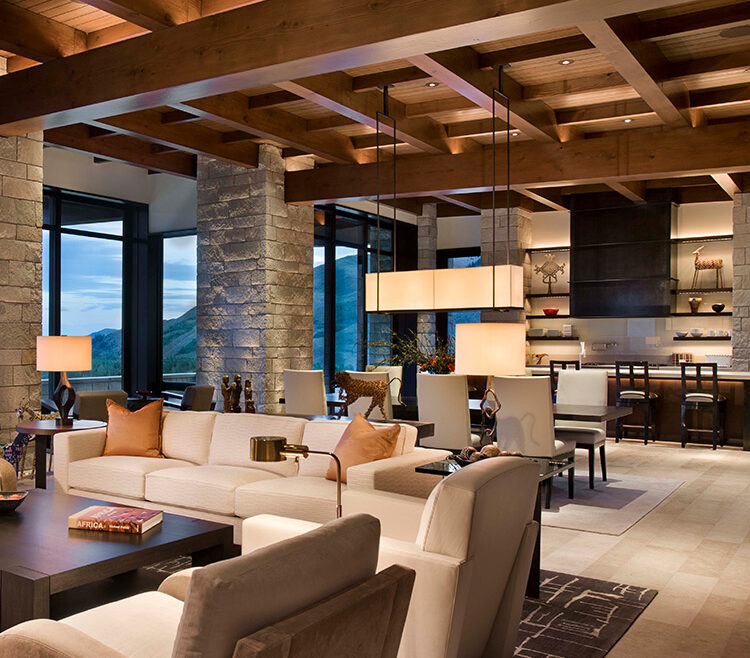
In this stunning dining and living space, the architecture sets the tone—but the lighting brings it to life. From the warmth washing over the stonework to the soft glow above the wood rafters, each layer is intentionally placed to complement floor-to-ceiling windows and the natural beauty of the room.

This level of seamless illumination is only possible when lighting is brought into the design process early. By collaborating closely with the architect, we’re able to integrate concealed details, enhance focal points, and ensure the home feels cohesive from every angle. Thoughtful lighting doesn’t just brighten a space—it elevates it.

When light is allowed to work in harmony with architecture rather than being added at the end, it transforms the way a space is perceived. In this home, the layers are quiet but powerful: uplighting that traces the geometry of the ceiling, accent lighting that draws depth from the stone walls, and a balanced ambient layer that supports both living and dining activities without overwhelming the senses. The lighting becomes part of the structure—not an accessory but a foundation.

Floor-to-ceiling windows bring in abundant natural daylight, which presents both an opportunity and a design challenge. Rather than competing with the sun, the artificial lighting is calibrated to complement it—soft, warm, and intentional. As daylight shifts throughout the day, the interior illumination subtly adapts, maintaining visual comfort and preserving the architectural mood no matter the time or season.

This is the heart of seamless illumination: every decision is made with the whole home in mind. Lighting is not simply placed, but woven. It supports circulation, defines gathering areas, and enhances the textures that make the space unique. Even the concealed architectural details—hidden cove lighting, recessed accents, precision downlights—are integrated early so they feel native to the design.

At Adaptive Design Group, this level of refinement comes from our collaborative process. Working alongside architects, interior designers, builders, and homeowners, we ensure lighting is considered a critical design element from the very beginning. The result is a home that feels effortless, cohesive, and beautifully illuminated—where every layer contributes to a unified atmosphere and every moment is shaped by light.

Contact us to provide seamless illumination on your luxury residential project.

#AdaptiveDesignGroup

Lighting Elevating Architecture
Lighting Elevating Architecture 750 750 Adaptive Design Group, Inc.

Lighting Elevating Architecture

Lighting Elevating Architecture

A beautifully designed home is more than its architecture—it’s the way each space feels. In this project, you can see how lighting guides the transition from kitchen to dining to living room. Task lighting keeps the kitchen crisp and functional, while the dining area softens, and the living room settles into a warm glow by the fireplace.

When high end light designers work with residential designers, the results are Lighting Elevating Architecture.

Using the 8 Layers of Lighting from The Adaptive Method™, we shape each zone with intention—bold when it needs to be, subtle when it enhances the emotion of the space. Thoughtful illumination becomes the quiet thread that ties the entire home together.

Architecture sets the stage, but lighting determines how the story unfolds. In homes with interconnected spaces, the relationship between zones becomes even more important. Light is what defines these transitions, ensuring each area maintains its purpose while still feeling like part of a unified whole. In the kitchen, stronger task lighting ensures clarity, accuracy, and visibility. As you move toward the dining area, the tone shifts: pendants lower the visual plane, ambient light softens around the table, and the atmosphere becomes more intimate. The living room continues that progression, reducing intensity and allowing firelight, accent lighting, and soft ceiling illumination to shape the emotional tone.

The 8 Layers of Lighting considers and categorizes each layer and purpose for lighting. Our Strategy covers ambient, task, accent, decorative, integrated, daylighting, controls, experiential design, and more! These layers work together to create spaces that respond to human behavior. Instead of relying on a few bright fixtures, each layer is carefully calibrated so the architecture can express itself without overwhelming the senses. Beams take on depth, stone warms under directional light, and circulation paths remain clear without intruding on the ambiance.

In this home, lighting elevates the architecture by activating the materials and guiding how you move through the environment. It creates a natural flow from room to room, supporting how the space is lived in—whether cooking, gathering, or relaxing by the fire. When each layer is intentionally deployed, the result is a home that feels cohesive, expressive, and emotionally grounded.

At Adaptive Design Group, we design lighting that enhances architecture rather than competing with it, ensuring every home tells a unified story through light.

Contact us to collaborate with your Architect and bring out the best in you residential project.

#AdaptiveDesignGroup

Bringing People together with Light
Bringing People together with Light 750 750 Adaptive Design Group, Inc.

Bringing People together with Light

Bringing People Together with Light

A living room should feel as inviting as it looks — whether you’re entertaining guests or enjoying a quiet evening with a good book. It’s a space that holds conversation, comfort, and connection, and lighting is ultimately what guides those experiences. When designed with intention, lighting becomes an invisible host — shaping the way people gather, interact, and feel within the room.

Bringing people together with light is an extension of synchronizing space. From the architecture to the interior design and art, and everywhere in between. The more cohesive a space, the better it can be used.

Here, layers of light bring every material and texture to life: the warmth of the wooden beam ceiling, the contrast of the dark stone fireplace, and the subtle glow on the artwork. Each surface responds differently under well-planned illumination, creating a visual and emotional rhythm throughout the room. Warm ambient light builds a foundation of comfort, while targeted accent lighting draws attention to the architectural details that define the space. The result is a cohesive, welcoming environment where light unites design.

This is where lighting transcends its functional purpose. It becomes a tool for shaping mood, enhancing atmosphere, and giving the architecture room to breathe. The wooden beams gain richness and warmth, adding a sense of grounded stability. The dark stone fireplace transforms from a shadowed mass into a dramatic focal point, gaining depth through highlights and softened edges. Even the artwork becomes part of the story, illuminated just enough to invite curiosity without overwhelming the room.

Thoughtfully layered lighting also supports how the space is used throughout the day. Soft ambient light creates calm in the evenings, while elevated accent illumination enhances social gatherings, conversation, and shared activity. No single fixture carries the room; instead, each layer contributes to a harmonious experience — one that feels effortless, intuitive, and deeply considered.

At Adaptive Design Group, we design lighting that brings people together. By collaborating closely with architects, interior designers, and builders nationwide, we ensure every living space reflects its fullest potential — where architecture, atmosphere, and human experience meet through light.

Contact us to find out how we can help you achieve the connectivity in a home that you deserve.

#AdaptiveDesignGroup

The Quiet Power of Lighting
The Quiet Power of Lighting 750 750 Adaptive Design Group, Inc.

The Quiet Power of Lighting

The Quiet Power of Lighting

As the nights grow longer, the bedroom becomes a sanctuary — a place to unwind, recharge, and restore. In these most intimate spaces, lighting takes on a role that is both subtle and profoundly influential. It shapes mood, supports well-being, and creates a sense of refuge that carries you from evening calm into restful sleep.

Find comfort in your personal space with the quiet power of lighting.

In this custom residence, lighting plays a quiet but powerful role in defining that sense of sanctuary. Warm layers of illumination gently highlight the rich leather wall, allowing its texture and depth to come forward without overwhelming the room. The soft glow of twin lamps introduces symmetry and comfort, offering localized pools of light perfect for winding down with a book or easing into nighttime routines. Above, carefully placed lighting accentuates the wooden beams, celebrating their craftsmanship and anchoring the space with architectural warmth.

This layered approach ensures that every part of the room supports restfulness. Ambient lighting establishes the foundation — a soft, embracing glow that fills the space without creating harsh contrasts. Task lighting provides clarity where needed, while accent lighting adds dimension and quiet visual interest. Together, these elements create a balanced environment that feels both intentional and organic.

A well-appointed bedroom isn’t just beautiful — it’s essential to a great night’s rest. The interplay of color temperature, placement, and intensity can dramatically influence relaxation and support the body’s natural rhythms. Thoughtful lighting design ensures that the space transitions seamlessly from daytime functionality to nighttime serenity.

At Adaptive Design Group, we understand that sanctuary is crafted through detail. We collaborate with architects, interior designers, and builders nationwide to bring thoughtful lighting design to every corner, material, and architectural gesture. Through our layered methodology and technical expertise, we create bedrooms that feel grounded, restorative, and beautifully aligned with both the client’s lifestyle and the home’s architectural vision.

Because in the quiet moments of the evening, lighting becomes more than design — it becomes comfort, calm, and the foundation of true rest.

Reach out to find the most comforting solutions in your Residential Lighting Project.

#AdaptiveDesignGroup