

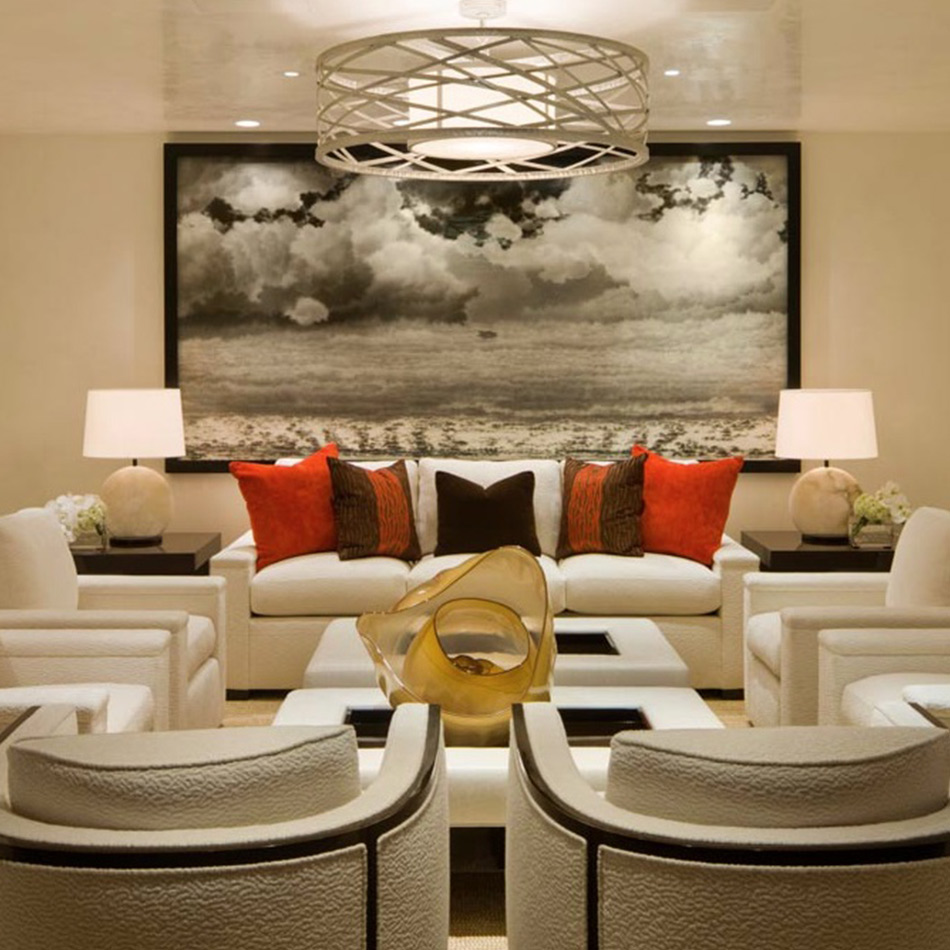
Architectural Lighting Design Explained: How Light Shapes Space
Great architecture is experienced long before it is understood.
The proportions of a room, the warmth of natural materials, the rhythm of structural elements, and the subtle transitions between spaces all contribute to how we perceive a home. Yet one element has the power to unify every one of these experiences: light.
Architectural lighting design is far more than selecting fixtures or determining brightness levels. It is the deliberate integration of light into the architecture itself—revealing form, enhancing materials, guiding movement, and creating environments that evolve naturally throughout the day.
At Adaptive Design Group, we view architectural lighting as both an artistic discipline and a technical practice. Every beam of light should have purpose. Every shadow should contribute to the composition. Every layer should work together to create a home that feels effortless, timeless, and deeply connected to the people who live within it.
What Is Architectural Lighting Design?
Architectural lighting design is the process of shaping how architecture is experienced through light.
Unlike decorative lighting alone, architectural lighting is integrated into the design of the building from the earliest stages of planning. It considers how natural and artificial light interact with structure, materials, furnishings, artwork, and landscape to create a unified experience.
Every decision is intentional:
- Where should light originate?
- What should be emphasized?
- Which architectural details deserve attention?
- How should a room transition from morning to evening?
- What atmosphere should be created?
Questions like these guide every successful lighting design.
Rather than treating illumination as an afterthought, architectural lighting becomes an extension of the architecture itself.
Light Defines Space Without Adding Structure
Architecture establishes boundaries.
Lighting defines how those boundaries are experienced.
Two rooms with identical floor plans can feel entirely different depending on how they are illuminated. A ceiling can appear taller. A hallway can become more welcoming. A fireplace can become the visual anchor of a living room. Carefully placed lighting can even make a space feel quieter, calmer, or more intimate.
This transformation happens without changing a single wall.
By directing attention toward specific architectural features while allowing others to recede into shadow, lighting creates hierarchy, rhythm, and balance throughout the home.
In this way, light becomes one of the most powerful design materials available to an architect.
The Relationship Between Light and Material
Every material responds differently to light.
Natural stone reveals texture through grazing illumination. Wood gains warmth when paired with appropriate color temperatures. Glass reflects and refracts surrounding light, creating movement and depth. Metal introduces contrast and highlights craftsmanship.
Without intentional lighting, these materials lose much of their visual richness.
Architectural lighting allows each surface to express its character while maintaining harmony with the overall design.
Rather than overwhelming the space, light works quietly in the background, revealing the beauty already present within the architecture.
The Power of Layered Lighting
One source of light can illuminate a room. Multiple layers of light transform it.
Layered lighting creates flexibility, allowing a home to respond naturally to different activities, times of day, and emotional experiences. Morning routines, family dinners, entertaining guests, and quiet evenings all require different lighting environments.
This philosophy forms the foundation of the Adaptive Method™, Adaptive Design Group’s trademarked approach to architectural lighting.
Rather than relying on a single lighting strategy, every project is composed through eight interconnected layers:
- Architecture — revealing structural form and defining spatial character.
- Decorative — introducing visual rhythm and sculptural elements.
- Art — illuminating collections with precision and respect.
- Path — guiding movement safely and naturally.
- Task — supporting daily activities with focused illumination.
- Interior Design — complementing furnishings, finishes, and textures.
- View — preserving and framing what lies beyond the architecture.
- Exterior — extending the design experience into the landscape.
Each layer performs a distinct role, yet none exist independently. Together, they create environments that feel balanced, intuitive, and complete.
Designing With Shadow
One of the most misunderstood aspects of architectural lighting is that great design is not about eliminating darkness.
It is about controlling it. Shadow creates depth. Contrast creates emphasis. Negative space allows architecture to breathe.
When every surface is equally illuminated, visual hierarchy disappears. Rooms begin to feel flat because the eye no longer knows where to focus. Thoughtfully designed lighting embraces areas of softness and restraint, allowing important architectural moments to emerge naturally.
The result is a home that feels more refined because it trusts the architecture to speak for itself.
Integrating Technology Without Competing With Design
Modern lighting systems offer remarkable capabilities.
Dynamic scenes, tunable white technology, integrated controls, automation, and energy-efficient LED fixtures have expanded what is possible in residential architecture.
Yet exceptional lighting design is never about technology for technology’s sake.
The most sophisticated systems are often the least noticeable.
Integrated lighting controls allow homeowners to shift effortlessly between everyday living, entertaining, artwork viewing, and evening relaxation. Fixtures disappear into ceilings, millwork, and architectural details while the experience of light remains consistent and intuitive.
Technology succeeds when it quietly supports the architecture instead of demanding attention.
Collaboration Creates Better Architecture
Architectural lighting is most successful when it begins early.
When lighting designers collaborate alongside architects, interior designers, builders, owner representatives, and electrical engineers from the outset, opportunities emerge that cannot easily be recreated after construction begins.
Ceiling details can conceal fixtures.
Architectural reveals can become sources of indirect illumination.
Custom millwork can integrate lighting seamlessly.
Electrical infrastructure can anticipate future flexibility.
These coordinated decisions improve both aesthetics and functionality while reducing compromises later in the project.
Lighting becomes woven into the architecture rather than added to it.
Beyond Illumination: Creating Experience
People rarely remember the exact fixture above a dining table.
They remember the dinner.
They remember how the room felt.
They remember gathering with family around warm light that encouraged conversation, or walking through a softly illuminated hallway toward a favorite painting. They remember arriving home after sunset and seeing the architecture emerge quietly from the landscape.
These experiences are created through thoughtful architectural lighting. Great lighting supports daily life without announcing itself. It allows architecture, interiors, artwork, and the people within the space to become the focus.
That is why architectural lighting design extends far beyond illumination—it shapes memory, emotion, and experience.
A Long-Term Investment in Architecture
Architecture is built to endure for generations.
Lighting should be designed with the same perspective.
By integrating lighting into the architectural vision from the beginning, homeowners invest not only in aesthetics, but in flexibility, wellness, efficiency, and lasting value. A carefully engineered lighting system continues to reveal the beauty of a home for decades, adapting to changing lifestyles while preserving the integrity of the original design.
The most successful lighting is never defined by trends.
It is defined by timelessness.
When architecture and light are conceived together, they become inseparable—each strengthening the other in ways that are both visible and deeply felt.
Illuminate Architecture With Purpose
Every remarkable home begins with a vision, but it is thoughtful lighting that allows that vision to be fully experienced. Whether you’re planning a custom residence, renovating an existing home, or assembling a collaborative design team, architectural lighting deserves a place at the earliest stages of the conversation.
Begin the conversation with Adaptive Design Group and discover how intentional architectural lighting design can transform your home into an experience defined by beauty, balance, and enduring craftsmanship.