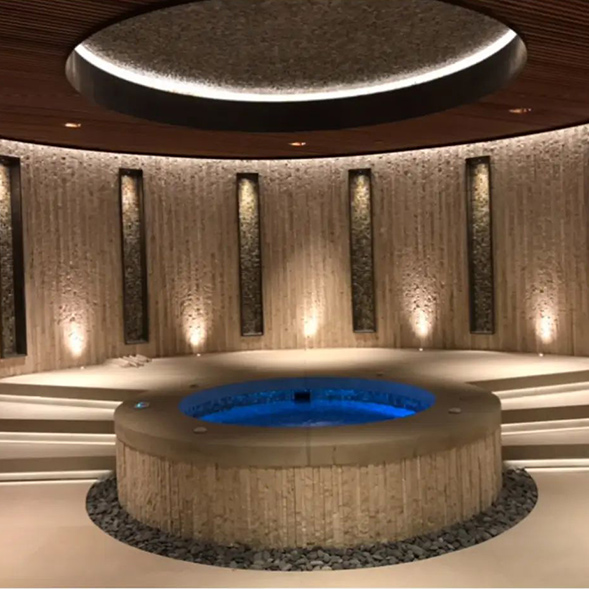

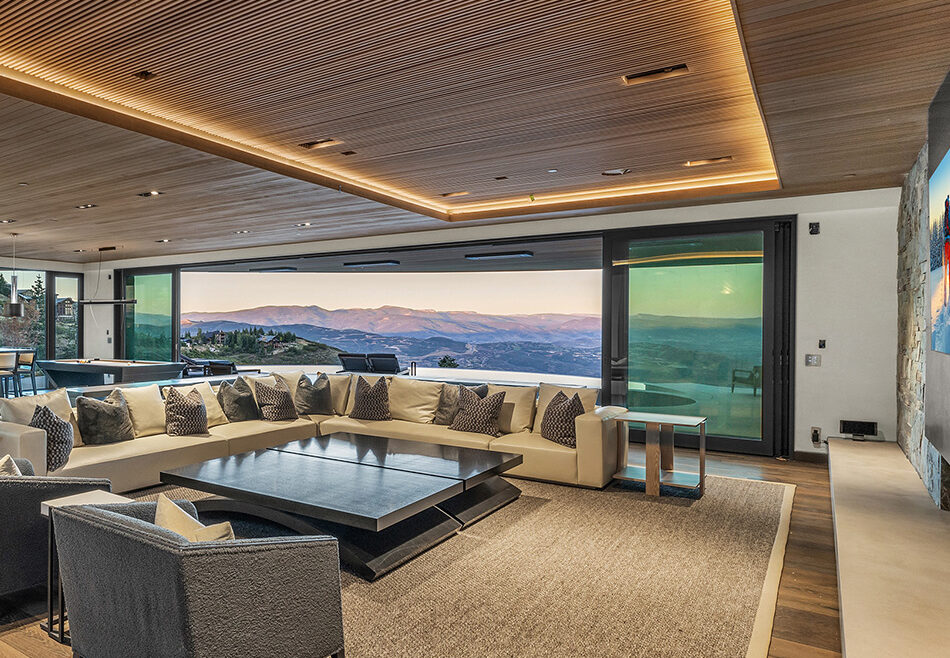
Lighting Design

Experience-Driven Lighting Design
Experience-Driven Lighting Design: Lessons From Hospitality Applied to Luxury Homes 950 950 Adaptive Design Group, Inc.

Experience-Driven Lighting Design: Lessons From Hospitality Applied to Luxury Homes

Experience-Driven Lighting Design: Lessons From Hospitality Applied to Luxury Homes

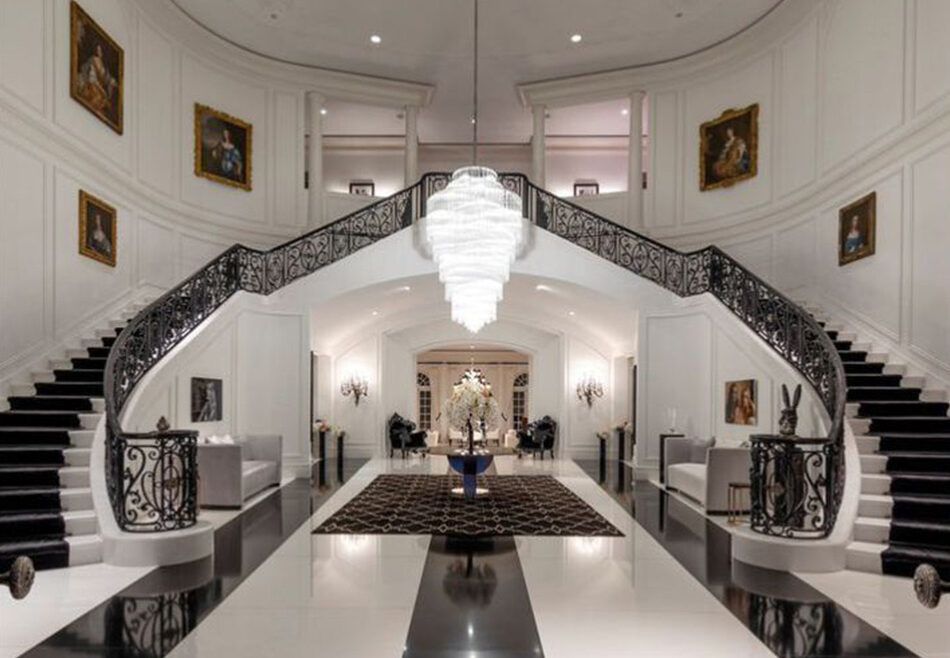
The most memorable spaces are not created by accident. Experience-Driven Lighting Design gives life to residential spaces.

For decades, the world’s finest hospitality environments have understood this principle. Luxury resorts, private clubs, and destination properties are designed around a complete experience—how guests arrive, how they move through a space, how they gather, and how they remember it.

That same philosophy is at the heart of exceptional residential lighting design.

At Adaptive Design Group, experience gained through complex, high-level environments has shaped a deeper understanding of how light influences architecture, emotion, and human connection.

Because a home should be more than beautiful. It should feel extraordinary.


Designing Beyond Illumination

Lighting has the ability to guide attention, establish comfort, and transform the way people experience their surroundings.

The most successful environments consider every moment:

The arrival.

The transition between spaces.

The gathering areas.

The quiet moments.

The view from one room into another.

This experience-driven approach allows lighting to support the natural rhythm of daily life while enhancing the architectural vision behind the home.


What Hospitality Teaches About Residential Design

High-level hospitality environments require an exceptional understanding of people.

They must create welcoming arrivals, intuitive navigation, comfortable gathering spaces, and memorable moments—all through carefully considered details.

These same principles apply to luxury residential environments.

A private residence is also a journey.

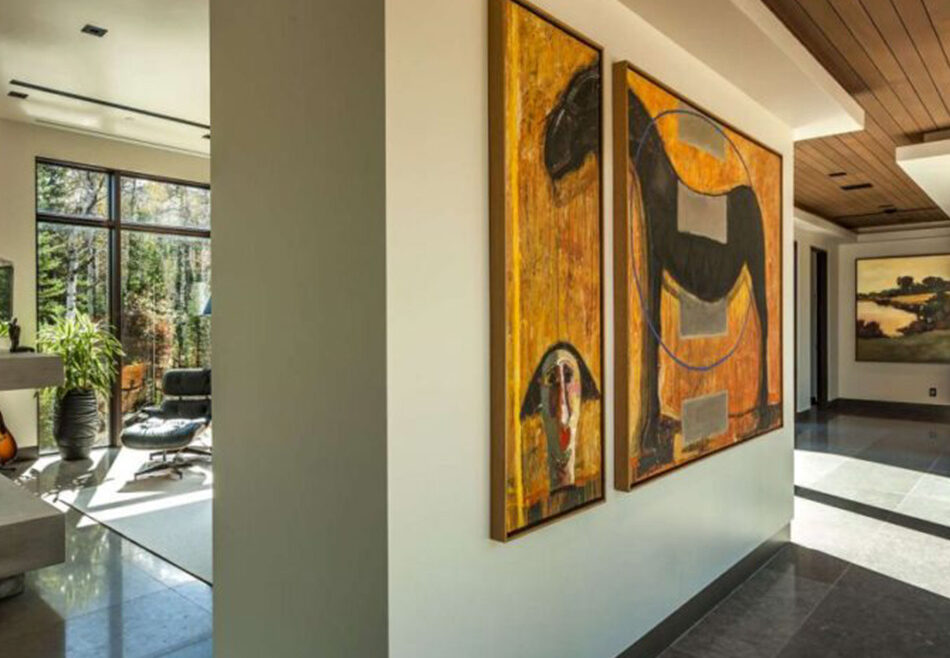
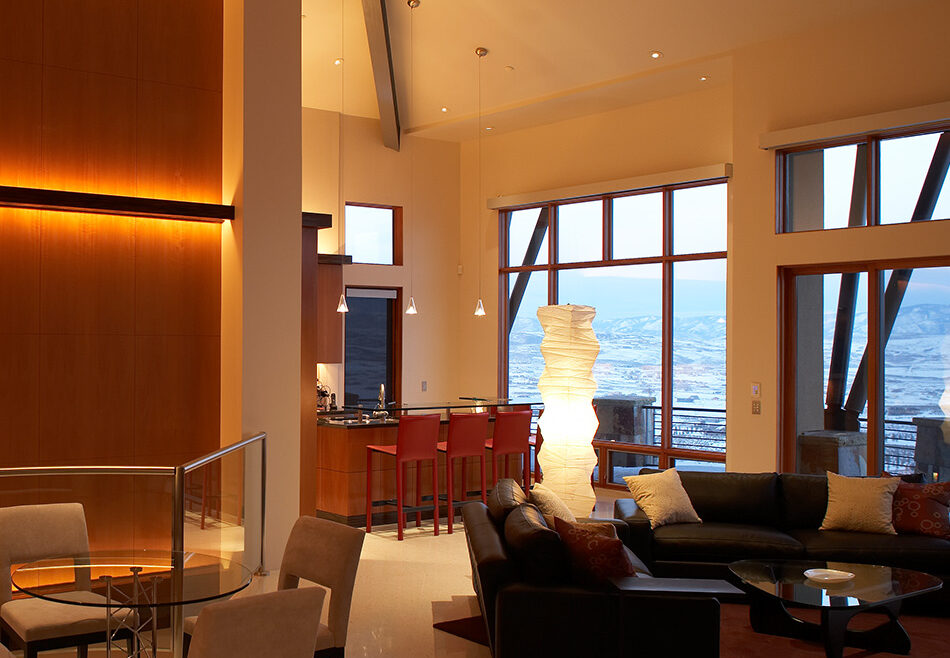
Exterior lighting establishes the first impression. Interior lighting creates atmosphere. Artwork and architectural details are revealed through precision. Control systems allow spaces to adapt throughout the day.

Every layer contributes to how the home is experienced.


The Power of Layered Illumination

The Adaptive Method™ is built around this understanding.

Rather than treating lighting as a collection of fixtures, each element is considered as part of a complete composition.

Architectural lighting reveals form.

Decorative lighting adds personality.

Accent lighting highlights important details.

Path lighting creates comfort and ease moving through the space.

Exterior lighting extends the experience beyond the walls of the home.

Together, these layers create environments that feel balanced, intentional, and timeless.


A Broader Perspective for Complex Homes: Experience-Driven Lighting Design

Every luxury residence presents unique challenges.

Large-scale architecture, custom materials, artwork collections, expansive landscapes, integrated technology, and personalized lifestyles all require a thoughtful approach.

Experience with diverse environments provides a broader perspective—the ability to understand how people interact with spaces and how lighting can support those experiences.

That perspective allows every project to be approached with creativity, precision, and confidence.


Designing Homes That Are Experienced, Not Just Seen

Exceptional lighting is about more than visibility. It is about creating connection.

The finest homes are remembered because they create a feeling—comfort, warmth, elegance, and a sense of belonging.

Connect with Adaptive Design Group to discover how experience-driven lighting design can transform your residence into a space that is not only beautifully illuminated, but thoughtfully experienced.

#AdaptiveDesignGroup

What Does a Lighting Designer Do
What Does an Architectural Lighting Designer Do? The Process Behind Exceptional Homes 950 950 Adaptive Design Group, Inc.

What Does an Architectural Lighting Designer Do? The Process Behind Exceptional Homes

What Does an Architectural Lighting Designer Do?

A beautifully designed home is more than a collection of rooms, materials, and finishes. It is an environment shaped by atmosphere, movement, emotion, and experience.

Architecture creates the structure.

Interior design creates personality.

Lighting reveals the story.

An architectural lighting designer is the professional responsible for shaping that experience through the intentional use of light. Unlike traditional lighting approaches that focus primarily on fixture selection or basic illumination, architectural lighting design considers how light interacts with architecture, materials, technology, and the people who inhabit the space.

The goal is not simply to make a room brighter. The goal is to make a space feel complete.


Beyond Fixtures: The Role of an Architectural Lighting Designer

One of the most common misconceptions about lighting design is that it begins with choosing beautiful fixtures.

In reality, exceptional lighting begins much earlier.

An architectural lighting designer studies the architecture itself:

  • How natural light enters the space
  • How materials reflect and absorb illumination
  • How people move through the home
  • Where moments of focus and relaxation occur
  • How the residence transitions from day to evening

Every decision contributes to the overall experience.

A recessed fixture above a hallway, a concealed LED detail in a ceiling plane, or a precisely aimed accent light on artwork may seem like small details individually. Together, these decisions create the rhythm and emotional character of the home.

Great lighting is rarely noticed as a single element. Instead, it is experienced as a feeling.


Lighting Design Begins With Collaboration

The best architectural lighting projects are collaborative from the beginning.

Lighting designers work alongside architects, builders, interior designers, electrical engineers, technology integrators, and homeowners to ensure every element works together.

Early involvement is especially important in custom residences because lighting impacts so many architectural decisions:

  • Ceiling details
  • Millwork
  • Cabinetry
  • Electrical planning
  • Artwork placement
  • Landscape design
  • Control systems

When lighting is considered early, it becomes part of the architecture itself.

When it is considered later, opportunities for integration can be limited.

The difference is often the difference between lighting that simply exists within a space and lighting that feels as though it was always meant to be there.


The Architectural Lighting Design Process

Every project is unique, but successful lighting design follows a thoughtful process built around understanding, planning, and refinement.

Discovery and Vision

The process begins by understanding the goals of the project.

• How will the home be used?

• What experiences should the spaces create?

• Are there specific architectural features, artwork, collections, or landscapes that deserve emphasis?

These conversations establish the foundation for the design.


Layered Lighting Design

At Adaptive Design Group, our approach is guided by the Adaptive Method™—a structured framework built around eight layers of light.

Each layer serves a distinct purpose:

  • Architecture reveals structure and form.
  • Decorative lighting creates visual interest.
  • Art lighting highlights important collections.
  • Path lighting guides movement.
  • Task lighting supports function.
  • Interior design lighting enhances materials and finishes.
  • View lighting considers reflections and sightlines.
  • Exterior lighting extends the experience beyond the home.

Together, these layers create a balanced environment where every source of illumination has intention.


The Difference Between Lighting a Room and Designing an Experience

A room can be technically illuminated and still feel incomplete.

A truly designed lighting environment considers contrast, warmth, shadow, and hierarchy.

A living room may require soft ambient illumination for conversation, focused lighting for artwork, and adjustable scenes for entertaining.

A kitchen may transition from bright task lighting during preparation to a warm gathering space in the evening.

A landscape may transform after sunset through carefully placed illumination that reveals texture, depth, and architectural form.

The lighting designer considers these moments before they happen.


The Technical Expertise Behind Beautiful Lighting

While lighting design is an artistic discipline, it is equally dependent on technical expertise.

A successful lighting system requires careful consideration of:

  • Fixture specifications
  • Beam angles
  • Color temperature
  • Color rendering
  • Dimming compatibility
  • Control systems
  • Electrical coordination
  • Long-term maintenance

This technical foundation allows the creative vision to perform reliably for years.

The most successful lighting designs feel effortless because significant expertise exists beneath the surface.


Why Architectural Lighting Matters in Luxury Homes

In luxury residential design, every detail contributes to the overall experience.

Custom materials, handcrafted finishes, artwork, landscaping, and architectural elements deserve illumination that respects their quality.

A thoughtfully designed lighting system enhances:

  • The warmth of natural wood
  • The texture of stone
  • The depth of architectural details
  • The character of artwork
  • The connection between indoor and outdoor spaces

The purpose is not to overwhelm the architecture.

It is to reveal it.


Choosing the Right Lighting Designer

For homeowners, architects, and builders, choosing the right lighting designer is an important decision.

Look beyond beautiful images and consider:

  • Experience with similar projects
  • Collaboration style
  • Technical expertise
  • Understanding of architecture
  • Approach to controls and technology
  • Ability to coordinate with the broader design team

The right lighting partner becomes an extension of the creative vision.

They help transform drawings and materials into a finished environment that feels intentional from every perspective.


Bringing Architecture to Life Through Light

An architectural lighting designer does far more than specify fixtures.

They shape atmosphere.

They reveal craftsmanship.

They create connections between architecture, technology, and human experience.

At Adaptive Design Group, lighting is approached as both an art and a technical discipline—one that requires creativity, engineering, collaboration, and a deep understanding of how people experience space.

Because the finest homes are not simply seen.

They are felt.


Begin Your Architectural Lighting Journey

Exceptional lighting begins with thoughtful planning and collaboration. Whether designing a new custom residence, renovating an existing home, or assembling your project team, the right lighting strategy can transform the way every space is experienced.

Connect with Adaptive Design Group to begin the conversation and discover how architectural lighting design can elevate your vision through intentional, integrated illumination.

#AdaptiveDesignGroup

Lighting in Architecture
The Role of Lighting in Architecture and Interior Design: Creating Spaces With Purpose 950 950 Adaptive Design Group, Inc.

The Role of Lighting in Architecture and Interior Design: Creating Spaces With Purpose

The Role of Lighting in Architecture and Interior Design

Architecture creates the foundation and framework of a space. Interior design brings personality, comfort, and character. Lighting is the element that connects them. With Lighting in Architecture, you’ll quickly see the difference when illumination begins revealing form, enhancing materials, and shaping how a space is experienced throughout the day.

The role of lighting in architecture is elevated far beyond visibility. Thoughtful illumination has the ability to define scale, highlight craftsmanship, create atmosphere, and influence the way people move through and connect with a home.

A beautifully designed residence is not experienced only through its walls, finishes, and furnishings. It is experienced through the interaction of every element, and bringing it all together in perfect harmony is light.


Light as an Architectural Element

Great architectural lighting begins with understanding the structure itself.

Every material responds differently to illumination. Natural stone reveals texture through grazing light. Wood gains warmth through carefully balanced color temperatures. Glass, metal, and reflective surfaces require precision to avoid glare while maintaining visual harmony.

The goal is not to overpower architecture with light, but to reveal what already exists.

This approach allows lighting to become part of the architecture rather than an addition placed within it.


Creating Balance Between Architecture and Interior Design

Interior spaces require more than a single source of illumination, and the more the lighting is divided into purposes, the more the plan becomes clear.

A successful lighting design considers multiple layers working together:

  • Ambient lighting establishes overall comfort and atmosphere.
  • Task lighting supports daily activities.
  • Decorative lighting adds visual interest and personality.
  • Accent lighting highlights artwork, materials, and architectural details.
  • Exterior lighting extends the experience beyond the walls of the home.

At Adaptive Design Group, this philosophy is central to the Adaptive Method™—a layered approach that ensures every element of light serves a purpose. From furniture to art collections, walkways, and task spaces. Everything has its own place in the plan.

When these layers are thoughtfully integrated, spaces feel natural, balanced, and intuitive.


Designing for How Spaces Are Experienced

The best lighting responds to the people who live within a space.

A kitchen may transition from a functional workspace in the morning to a welcoming gathering environment in the evening. A living room may shift from bright and open during the day to warm and intimate after sunset.

Lighting allows architecture and interiors to evolve with the moments of daily life.

Through carefully designed controls, color temperature, and intensity adjustments, a home can maintain the connection between natural rhythms and the built environment.


The Invisible Influence of Exceptional Lighting

Some of the most successful lighting designs are the ones people rarely notice directly.

Instead, they notice how the space feels.

And truly, if the lighting in a space wasn’t successful, it’s easy to tell. The discomfort and anxiety of a space like that is something we have all felt. By this, we know the opposite is true.

People notice the warmth of a room, the beauty of a material, the emphasis on a piece of artwork, or the effortless transition between indoor and outdoor environments.

That is the true role of architectural lighting—to support the design, enhance the experience, and allow every element of a space to be appreciated fully.


Illuminate Architecture With Intention

Lighting is one of the most powerful tools in architectural design. When thoughtfully integrated, it transforms homes from beautifully constructed spaces into environments that feel complete.

Begin the conversation with Adaptive Design Group to discover how architectural lighting can enhance your project through intentional design, technical precision, and a deeper understanding of how spaces are experienced.

#AdaptiveDesignGroup

Interior Architectural Lighting
Interior Architectural Lighting: Enhancing Materials, Form, and Space 950 950 Adaptive Design Group, Inc.

Interior Architectural Lighting: Enhancing Materials, Form, and Space

Interior Architectural Lighting: Enhancing Materials, Form, and Space

The finest interiors are designed with intention. Interior Architectural Lighting is the science behind it. 

Every material, finish, and architectural detail contributes to the character of a space. Natural stone, handcrafted wood, custom millwork, artwork, textiles, and furnishings are carefully selected to create a complete experience.

Interior lighting is what allows those details to be fully understood.

Thoughtful illumination reveals texture, creates depth, and establishes the atmosphere that transforms a beautifully designed room into an environment that feels complete.

Lighting goes beyond filling a space. It defines how that space is experienced.


Revealing the Character of Materials

Every material interacts with light differently.

Stone can appear sculptural when illuminated with precision. Wood gains warmth and richness through carefully balanced color temperatures. Glass and reflective surfaces require thoughtful control to avoid glare while maintaining visual interest.

The role of interior lighting is not to overpower these elements, but to enhance them.

Through techniques such as grazing, accenting, and indirect illumination, lighting can reveal qualities that might otherwise go unnoticed.

Texture becomes more visible.

Depth becomes more apparent.

Architecture gains dimension.


Creating Layers Within Interior Spaces

Exceptional interiors are never illuminated by a single source. A successful lighting design combines multiple layers that work together to create balance and flexibility.

Architectural lighting defines the space and establishes comfort and overall atmosphere.

Task lighting supports activities such as cooking, reading, and working.

Decorative lighting introduces personality and visual interest.

Accent lighting highlights artwork, architectural details, and important features.

This layered approach is central to the Adaptive Method™—ensuring every element of illumination contributes to the complete experience.


Interior Architectural Lighting as Part of Interior Design

Lighting and interior design are deeply connected.

The placement of furniture, the selection of materials, the color palette, and the architectural details all influence how light should interact with the space.

Collaboration between lighting designers and interior designers allows every element to work together.

A dining space may require a warm, intimate atmosphere for entertaining. A gallery wall may require precise illumination to preserve color and reveal detail. A great room may need flexibility for quiet evenings or large gatherings.

The lighting should support every moment.


The Importance of Contrast and Shadow

Great lighting is not defined by brightness alone. Shadow plays an equally important role.

Contrast creates visual hierarchy and allows the eye to move naturally through a space. Carefully controlled shadows add depth, while highlights draw attention to the elements that matter most.

This balance between light and shadow is what gives interiors their sense of richness and dimension.

A room becomes more than a collection of objects. It becomes an experience.


Designing Interior Architectural Lighting That Feel Complete

Interior architectural lighting is where technology, artistry, and human experience meet.

When thoughtfully designed, lighting enhances the architecture, elevates materials, and creates spaces that feel natural throughout the day and evening.

The best lighting does not compete with the interior. It reveals it.


Illuminate Your Interior Vision

Exceptional interiors deserve lighting that respects the craftsmanship behind every detail. Adaptive Design Group works with architects, designers, builders, and homeowners to create lighting environments that enhance materials, elevate architecture, and bring spaces to life.

Begin the conversation with Adaptive Design Group to discover how intentional interior lighting design can transform your next project into an experience that is as refined as the architecture itself.

#AdaptiveDesignGroup

Lighting Engineering
Engineering Vision: How Lighting Design and Technology Work Together 950 950 Adaptive Design Group, Inc.

Engineering Vision: How Lighting Design and Technology Work Together

Engineering Vision: How Lighting Design and Technology Work Together

Exceptional lighting engineering exists at the intersection of creativity and precision.

The most memorable spaces are not created through artistic vision alone. They require careful engineering, technical expertise, and a deep understanding of how lighting systems perform within the built environment.

Lighting engineering transforms creative concepts into reliable, functional experiences.

Behind every beautifully illuminated residence is a complex network of decisions—fixture specifications, control systems, electrical coordination, programming, and integration—that allow the design vision to come to life.

The result should feel effortless, but achieving that level of refinement requires expertise behind the scenes.


Where Art, Lighting and Engineering Meet

Lighting design is both an artistic and technical discipline.

The creative side considers atmosphere, emotion, architecture, and experience. The engineering side ensures every component functions as intended.

Together, these elements determine:

  • How light is distributed
  • How materials are revealed
  • How spaces transition throughout the day
  • How technology supports daily life
  • How the system performs over time

A successful lighting design does not force a choice between beauty and performance. It requires both.


The Importance of Early Coordination

The most successful lighting systems begin during the early stages of design.

Collaboration with architects, builders, electrical engineers, and technology professionals ensures that lighting becomes integrated into the architecture rather than added afterward.

Early planning allows for thoughtful consideration of:

  • Ceiling details
  • Concealed lighting opportunities
  • Fixture placement
  • Electrical infrastructure
  • Control locations
  • Future flexibility

These decisions create cleaner installations and a more refined finished environment.


Lighting Engineering: Technology That Supports Experience

Modern lighting technology has expanded what is possible within residential and architectural environments.

Advanced control systems allow homeowners to adjust lighting scenes based on time of day, activity, or personal preference.

A single environment can transition from bright and functional during the day to warm and intimate in the evening.

Technology also improves:

  • Energy efficiency
  • Reliability
  • Convenience
  • Customization
  • Long-term adaptability

The best technology does not draw attention to itself. It quietly supports the experience.


The Adaptive Method™ Approach

At Adaptive Design Group, engineering is integrated into every layer of the design process.

Through the Adaptive Method™, each lighting element is considered as part of a complete system—from architectural illumination and decorative fixtures to artwork, interiors, pathways, and exterior environments.

This layered approach allows creative vision and technical execution to work together seamlessly.

Every decision has a purpose. Every system has a reason.


Building Lighting Systems That Last

Exceptional lighting is designed for today while considering tomorrow.

A thoughtfully engineered system provides the flexibility to evolve with changing technology, lifestyles, and architectural needs.

The result is more than illumination. It is a carefully crafted environment where architecture, technology, and human experience come together.


Designing the Future Through Light

The finest lighting environments are created when creativity is supported by technical excellence.

Connect with Adaptive Design Group to explore how thoughtful lighting engineering can transform your architectural vision into a seamless, beautifully integrated experience.

#AdaptiveDesignGroup

Lighting Projects
Lighting Projects: Behind Every Extraordinary Home 950 950 Adaptive Design Group, Inc.

Lighting Projects: Behind Every Extraordinary Home

Architectural Lighting Projects: Behind Every Extraordinary Home

Every extraordinary home begins with a vision. Every vision begins with illumination.

The architecture may be defined by sweeping views, handcrafted materials, dramatic landscapes, or innovative design—but the experience of that space is ultimately shaped by how every element comes together.

Within exceptional residences, lighting is the connection between architecture and emotion.

The most successful architectural lighting projects are not defined simply by the fixtures selected or the technology installed. They are defined by thoughtful collaboration, careful planning, and a deep understanding of how people experience a space.

See our Recent Projects →


Every Home Tells a Different Story

No two residences are the same.

A mountain retreat surrounded by natural landscapes requires a different lighting approach than a coastal estate, a desert residence, or a modern urban home.

The architecture itself guides the design. Materials, surroundings, views, and lifestyle all influence how light should be integrated.

At Adaptive Design Group, projects throughout locations such as Park City, Laguna Beach, Palm Desert, Colorado, Idaho, and the East Coast each present unique opportunities to create lighting environments that respond to their surroundings.

The goal is never to apply the same solution everywhere. The goal is to create the right solution for each place.


Lighting Begins With Understanding Architecture

The best lighting projects begin long before installation.

They begin with conversations.

Understanding the architect’s vision, the homeowner’s lifestyle, and the intended experience of each space allows lighting to become a true design element.

Every decision matters:

  • How should a stone wall be revealed?
  • Where should the eye naturally travel?
  • Which architectural features deserve emphasis?
  • How should interior spaces connect with exterior environments?
  • How should the home transform after sunset?

These questions shape the foundation of the design.


The Details Create the Experience

Exceptional lighting is often found in the moments that feel effortless.

A softly illuminated pathway guiding arrival.

A carefully positioned beam revealing artwork.

A warm evening scene creating connection around an outdoor gathering space.

A concealed architectural detail adding depth without revealing the source.

These moments are created through precision, restraint, and experience.

The most successful lighting does not compete with architecture.

It allows architecture to speak.


Collaboration Behind Every Project

Complex residential projects require a coordinated team.

Architects, builders, interior designers, electrical engineers, integrators, and owner representatives all play an important role in bringing the vision together.

Through collaboration, lighting becomes seamlessly integrated into the complete design rather than treated as a final selection.

This approach allows technology, artistry, and architecture to work together as one cohesive experience.


The Adaptive Method™ in Practice

Every project benefits from a thoughtful lighting framework.

The Adaptive Method™ provides a layered approach that considers architectural, decorative, artistic, interior, pathway, and exterior lighting elements as connected parts of one complete environment.

Each layer serves a purpose.

Together, they create spaces that feel balanced, comfortable, and timeless.


Creating the Next Extraordinary Project

Behind every exceptional residence is a collection of thoughtful decisions. Lighting is one of the elements that brings those decisions together, revealing the architecture and enhancing the way people experience the home.

Connect with Adaptive Design Group to begin exploring how intentional lighting design can transform your next residential project into an environment that is as memorable to experience as it is to see.

#AdaptiveDesignGroup

Lighting Design and Architecture
Lighting Design and Architecture: From Concept to Completion 950 950 Adaptive Design Group, Inc.

Lighting Design and Architecture: From Concept to Completion

Lighting Design and Architecture: From Concept to Completion

Exceptional architecture is created through collaboration. For us, it starts with Lighting Design and Architecture.

Every successful project brings together a team of specialists—architects, builders, interior designers, engineers, artisans, and consultants—each contributing their expertise to shape the final experience.

Lighting design plays a unique role within that process.

It connects architecture, technology, and human experience by revealing materials, defining atmosphere, and creating environments that evolve naturally from day to night.

The most successful lighting designs do not begin with fixtures. They begin with understanding the vision behind the space.


The Importance of Early Collaboration for

Lighting design has a direct relationship with architecture.

Ceiling details, millwork, material selections, artwork placement, and electrical planning all influence the final lighting experience. When lighting design begins early, these elements can be thoughtfully integrated rather than accommodated later.

During the concept phase, a lighting designer works alongside the design team to understand:

  • Architectural intent
  • Interior design goals
  • Functional requirements
  • Lifestyle needs
  • Important focal points
  • Indoor and outdoor connections

This collaborative foundation allows lighting to become part of the architecture itself.


Developing the Lighting Vision

Once the goals of the project are established, the lighting design process begins to take shape.

Every space has a purpose and a personality. Our job is to find what that is, and design for it.

A kitchen requires precision and flexibility. A living room requires comfort and atmosphere. A gallery space requires accurate color and careful focus. Outdoor environments require balance between safety, beauty, and the surrounding landscape.

A successful lighting design considers each space individually while ensuring the entire residence feels connected.


From Design Intent to Technical Execution

Behind every beautiful lighting environment is a carefully engineered system.

The design process involves detailed consideration of:

  • Fixture selection
  • Beam angles
  • Color temperature
  • Color rendering
  • Control systems
  • Dimming performance
  • Electrical coordination
  • Installation requirements

This technical precision allows the artistic vision to perform exactly as intended.

At Adaptive Design Group, the Adaptive Method™ provides a structured approach to this process, ensuring every layer of illumination is considered—from architectural emphasis and decorative lighting to artwork, interiors, pathways, and exterior environments.


Refinement During Construction

Exceptional lighting design continues beyond the drawings.

Throughout construction, collaboration remains essential. Site visits, coordination meetings, and installation reviews ensure the original vision translates successfully into the finished space.

Small adjustments can have a significant impact.

The final aiming of an accent fixture, the calibration of a control scene, or the refinement of color temperature can transform a good lighting design into an exceptional one.


Creating the Finished Experience

When the process is complete, the lighting system should feel effortless.

Spaces should transition naturally throughout the day. Architecture should reveal its character. Materials should feel elevated. Technology should support daily life without becoming a distraction.

That is the purpose of architectural lighting design—to create environments where every element works together.


Begin Designing With Light

The finest projects begin with thoughtful collaboration and a shared vision. Whether developing a new custom residence or refining an architectural concept, Adaptive Design Group works alongside design professionals and homeowners to create lighting environments built with intention.

Reach out to begin the conversation and discover how a dedicated lighting design process can transform your architectural vision into a complete experience.

#AdaptiveDesignGroup

Ambient Lighting
Ambient Light Strategies in Architectural Design: Creating Balance and Depth 950 950 Adaptive Design Group, Inc.

Ambient Light Strategies in Architectural Design: Creating Balance and Depth

Ambient Light Strategies in Architectural Design: Creating Balance and Depth

To some, Ambient Lighting is the way a room feels. To us its the combined efforts of carefully planned and strategically layered lighting, transforming the way people experience the space. Light is one of the most influential elements within architecture, yet it is often underestimated, and misunderstood.

Many people think of lighting in terms of brightness—how much illumination is needed to see a room clearly. But exceptional architectural lighting is not defined by quantity alone. It is defined by balance, intention, and the way light shapes the experience of a space.

Ambient lighting provides the foundation of that experience.

As one of the most important layers in architectural lighting design, ambient illumination establishes comfort, atmosphere, and visual balance while allowing other elements—such as artwork, architecture, and decorative fixtures—to stand out with purpose.


What Is Ambient Lighting?

Ambient lighting is the overall illumination that allows a space to feel comfortable and inviting.

Unlike task lighting, which focuses on specific activities, or accent lighting, which highlights specific features, ambient lighting creates the general environment of a room.

However, in luxury residential design, ambient lighting is rarely achieved through a single source.

Instead, it is carefully integrated through a combination of:

  • Concealed architectural lighting
  • Indirect illumination
  • Recessed fixtures
  • Decorative elements
  • Reflected light
  • Natural daylight integration

The goal is to create a sense of ease without making the lighting itself the focus.


Creating Depth Through Contrast

One of the most important principles of exceptional lighting design is understanding the relationship between light and shadow.

A space where every surface is equally illuminated can feel flat and uninspiring. Contrast creates depth, movement, and visual interest. Architectural features become more noticeable when they are intentionally revealed.

A textured stone wall may come alive through soft grazing light. A vaulted ceiling may gain dimension through carefully placed illumination. A piece of artwork may become a focal point through controlled contrast.

Light gives the eye a pathway through the architecture.


Ambient Light and the Human Experience

Lighting also has a powerful influence on how people feel within a space. Warm, balanced illumination can create a sense of comfort and relaxation, while poorly designed lighting can create glare, fatigue, or visual discomfort.

A thoughtfully designed home responds to the natural progression of the day. Bright, energizing environments can support morning routines and active spaces, while warmer evening scenes encourage relaxation and connection.

Through integrated controls, lighting can adapt to different moments, activities, and experiences.


Ambient Lighting Within the Adaptive Method™

At Adaptive Design Group, ambient lighting is considered as part of a complete layered approach.

Through the Adaptive Method™, each layer of illumination works together to create a cohesive environment.

Architectural lighting reveals structure.

Decorative lighting creates personality.

Accent lighting highlights important details.

Exterior lighting extends the experience beyond the home.

Together, these layers create spaces that feel natural, intentional, and timeless. This is what Ambient lighting is built from.


Designing Light With Purpose

The most successful lighting environments are not the ones with the most fixtures or the brightest rooms.

They are the spaces where every element feels considered.

Ambient lighting creates the foundation that allows architecture, interiors, and experiences to come together.

Connect with Adaptive Design Group to explore how intentional lighting strategies can bring balance, depth, and lasting comfort to your next residential or architectural project.

#AdaptiveDesignGroup

Choose the Right Lighting Designer
How to Choose the Right Lighting Designer for Your Custom Home 950 950 Adaptive Design Group, Inc.

How to Choose the Right Lighting Designer for Your Custom Home

How to Choose the Right Lighting Designer for Your Custom Home

Building a custom home is a process built around countless decisions. Architects, builders, interior designers, and artisans each contribute their expertise to create a finished environment that reflects a unique vision.

Among those decisions, selecting the right lighting designer can have one of the greatest impacts on how the home is experienced.

Lighting influences architecture, materials, artwork, technology, and the way people move through a space every day. The right lighting partner will offer much more than just choosing fixtures—they help shape the atmosphere, functionality, and emotional connection of the home.


Look Beyond Fixtures and Aesthetics

A common misconception is that lighting design is primarily about choosing beautiful fixtures.

While decorative lighting certainly plays an important role, exceptional lighting design goes much deeper.

A skilled lighting designer considers:

  • How natural light interacts with the architecture
  • How materials respond to illumination
  • How spaces transition from day to evening
  • How technology supports daily life
  • How lighting enhances artwork, landscapes, and architectural details

The result is a complete lighting environment rather than a collection of individual products.


Experience With Custom Homes Matters

Luxury residences often involve complex architecture, unique materials, and highly detailed construction.

A lighting designer experienced in custom homes understands the importance of early collaboration with the broader project team.

The best results come when lighting is integrated alongside:

  • Architects
  • Builders
  • Interior designers
  • Electrical engineers
  • Technology integrators
  • Owner representatives

Early involvement allows lighting to become part of the architecture rather than something added afterward.


Understand Their Design Process

Every lighting designer approaches projects differently. Understanding their process can reveal how they think and collaborate.

Look for a partner who considers:

  • The homeowner’s lifestyle
  • Architectural intent
  • Interior design goals
  • Technical requirements
  • Future flexibility

At Adaptive Design Group, this philosophy is reflected through the Adaptive Method™—a layered approach that examines every aspect of illumination, from architectural emphasis and decorative elements to artwork, pathways, interiors, and exterior environments.


The Importance of Technical Expertise

Beautiful lighting requires more than creative vision. A successful system must also perform reliably for years to come.

Experience with specifications, controls, dimming technology, fixture performance, and electrical coordination ensures that the final design functions as beautifully as it looks.

The finest lighting systems feel effortless because the complexity has been carefully resolved behind the scenes.


Choosing a Partner for the Journey

Each designer and professional brought into a project becomes an extension of the creative team. This is why its imperative to choose the right lighting designer.

They help translate architectural drawings into lived experiences, ensuring every space feels intentional, comfortable, and complete.

For a custom residence, lighting is not simply another selection—it is one of the elements that defines how the home is remembered.


Begin Your Lighting Design Conversation

Exceptional homes deserve lighting that is considered from the very beginning. Whether you are designing a new residence or assembling your project team, Adaptive Design Group brings artistic vision, technical expertise, and collaborative experience to every project.

Reach out today to begin the conversation and discover how thoughtful lighting design can elevate your custom home from concept to completion.

#AdaptiveDesignGroup

Lighting Design Explained
Architectural Lighting Design Explained: How Light Shapes Space 950 950 Adaptive Design Group, Inc.

Architectural Lighting Design Explained: How Light Shapes Space

Architectural Lighting Design Explained: How Light Shapes Space

Great architecture is experienced long before it is understood.

The proportions of a room, the warmth of natural materials, the rhythm of structural elements, and the subtle transitions between spaces all contribute to how we perceive a home. Yet one element has the power to unify every one of these experiences: light.

Architectural lighting design is far more than selecting fixtures or determining brightness levels. It is the deliberate integration of light into the architecture itself—revealing form, enhancing materials, guiding movement, and creating environments that evolve naturally throughout the day.

At Adaptive Design Group, we view architectural lighting as both an artistic discipline and a technical practice. Every beam of light should have purpose. Every shadow should contribute to the composition. Every layer should work together to create a home that feels effortless, timeless, and deeply connected to the people who live within it.


What Is Architectural Lighting Design?

Architectural lighting design is the process of shaping how architecture is experienced through light.

Unlike decorative lighting alone, architectural lighting is integrated into the design of the building from the earliest stages of planning. It considers how natural and artificial light interact with structure, materials, furnishings, artwork, and landscape to create a unified experience.

Every decision is intentional:

  • Where should light originate?
  • What should be emphasized?
  • Which architectural details deserve attention?
  • How should a room transition from morning to evening?
  • What atmosphere should be created?

Questions like these guide every successful lighting design.

Rather than treating illumination as an afterthought, architectural lighting becomes an extension of the architecture itself.


Light Defines Space Without Adding Structure

Architecture establishes boundaries.

Lighting defines how those boundaries are experienced.

Two rooms with identical floor plans can feel entirely different depending on how they are illuminated. A ceiling can appear taller. A hallway can become more welcoming. A fireplace can become the visual anchor of a living room. Carefully placed lighting can even make a space feel quieter, calmer, or more intimate.

This transformation happens without changing a single wall.

By directing attention toward specific architectural features while allowing others to recede into shadow, lighting creates hierarchy, rhythm, and balance throughout the home.

In this way, light becomes one of the most powerful design materials available to an architect.


The Relationship Between Light and Material

Every material responds differently to light.

Natural stone reveals texture through grazing illumination. Wood gains warmth when paired with appropriate color temperatures. Glass reflects and refracts surrounding light, creating movement and depth. Metal introduces contrast and highlights craftsmanship.

Without intentional lighting, these materials lose much of their visual richness.

Architectural lighting allows each surface to express its character while maintaining harmony with the overall design.

Rather than overwhelming the space, light works quietly in the background, revealing the beauty already present within the architecture.


The Power of Layered Lighting

One source of light can illuminate a room. Multiple layers of light transform it.

Layered lighting creates flexibility, allowing a home to respond naturally to different activities, times of day, and emotional experiences. Morning routines, family dinners, entertaining guests, and quiet evenings all require different lighting environments.

This philosophy forms the foundation of the Adaptive Method™, Adaptive Design Group’s trademarked approach to architectural lighting.

Rather than relying on a single lighting strategy, every project is composed through eight interconnected layers:

  • Architecture — revealing structural form and defining spatial character.
  • Decorative — introducing visual rhythm and sculptural elements.
  • Art — illuminating collections with precision and respect.
  • Path — guiding movement safely and naturally.
  • Task — supporting daily activities with focused illumination.
  • Interior Design — complementing furnishings, finishes, and textures.
  • View — preserving and framing what lies beyond the architecture.
  • Exterior — extending the design experience into the landscape.

Each layer performs a distinct role, yet none exist independently. Together, they create environments that feel balanced, intuitive, and complete.


Designing With Shadow

One of the most misunderstood aspects of architectural lighting is that great design is not about eliminating darkness.

It is about controlling it. Shadow creates depth. Contrast creates emphasis. Negative space allows architecture to breathe.

When every surface is equally illuminated, visual hierarchy disappears. Rooms begin to feel flat because the eye no longer knows where to focus. Thoughtfully designed lighting embraces areas of softness and restraint, allowing important architectural moments to emerge naturally.

The result is a home that feels more refined because it trusts the architecture to speak for itself.


Integrating Technology Without Competing With Design

Modern lighting systems offer remarkable capabilities.

Dynamic scenes, tunable white technology, integrated controls, automation, and energy-efficient LED fixtures have expanded what is possible in residential architecture.

Yet exceptional lighting design is never about technology for technology’s sake.

The most sophisticated systems are often the least noticeable.

Integrated lighting controls allow homeowners to shift effortlessly between everyday living, entertaining, artwork viewing, and evening relaxation. Fixtures disappear into ceilings, millwork, and architectural details while the experience of light remains consistent and intuitive.

Technology succeeds when it quietly supports the architecture instead of demanding attention.


Collaboration Creates Better Architecture

Architectural lighting is most successful when it begins early.

When lighting designers collaborate alongside architects, interior designers, builders, owner representatives, and electrical engineers from the outset, opportunities emerge that cannot easily be recreated after construction begins.

Ceiling details can conceal fixtures.

Architectural reveals can become sources of indirect illumination.

Custom millwork can integrate lighting seamlessly.

Electrical infrastructure can anticipate future flexibility.

These coordinated decisions improve both aesthetics and functionality while reducing compromises later in the project.

Lighting becomes woven into the architecture rather than added to it.


Beyond Illumination: Creating Experience

People rarely remember the exact fixture above a dining table.

They remember the dinner.

They remember how the room felt.

They remember gathering with family around warm light that encouraged conversation, or walking through a softly illuminated hallway toward a favorite painting. They remember arriving home after sunset and seeing the architecture emerge quietly from the landscape.

These experiences are created through thoughtful architectural lighting. Great lighting supports daily life without announcing itself. It allows architecture, interiors, artwork, and the people within the space to become the focus.

That is why architectural lighting design extends far beyond illumination—it shapes memory, emotion, and experience.


A Long-Term Investment in Architecture

Architecture is built to endure for generations.

Lighting should be designed with the same perspective.

By integrating lighting into the architectural vision from the beginning, homeowners invest not only in aesthetics, but in flexibility, wellness, efficiency, and lasting value. A carefully engineered lighting system continues to reveal the beauty of a home for decades, adapting to changing lifestyles while preserving the integrity of the original design.

The most successful lighting is never defined by trends.

It is defined by timelessness.

When architecture and light are conceived together, they become inseparable—each strengthening the other in ways that are both visible and deeply felt.


Illuminate Architecture With Purpose

Every remarkable home begins with a vision, but it is thoughtful lighting that allows that vision to be fully experienced. Whether you’re planning a custom residence, renovating an existing home, or assembling a collaborative design team, architectural lighting deserves a place at the earliest stages of the conversation.

Begin the conversation with Adaptive Design Group and discover how intentional architectural lighting design can transform your home into an experience defined by beauty, balance, and enduring craftsmanship.

#AdaptiveDesignGroup