

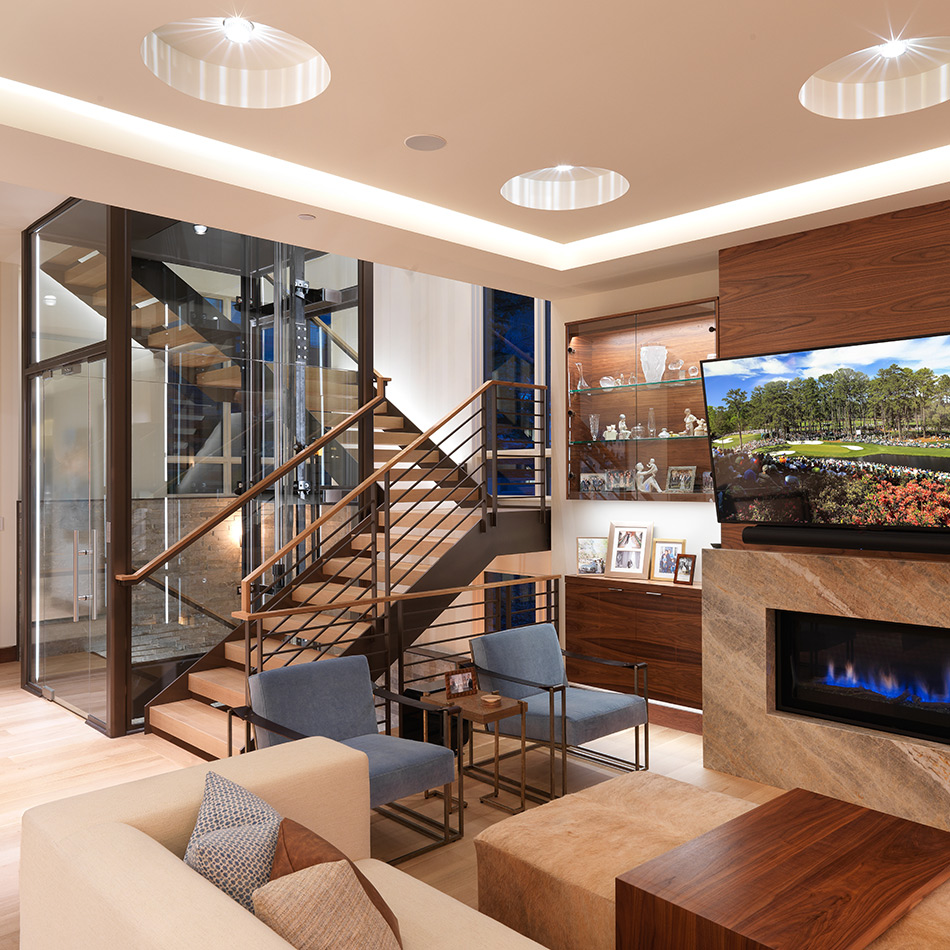
What Does an Architectural Lighting Designer Do?
A beautifully designed home is more than a collection of rooms, materials, and finishes. It is an environment shaped by atmosphere, movement, emotion, and experience.
Architecture creates the structure.
Interior design creates personality.
Lighting reveals the story.
An architectural lighting designer is the professional responsible for shaping that experience through the intentional use of light. Unlike traditional lighting approaches that focus primarily on fixture selection or basic illumination, architectural lighting design considers how light interacts with architecture, materials, technology, and the people who inhabit the space.
The goal is not simply to make a room brighter. The goal is to make a space feel complete.
Beyond Fixtures: The Role of an Architectural Lighting Designer
One of the most common misconceptions about lighting design is that it begins with choosing beautiful fixtures.
In reality, exceptional lighting begins much earlier.
An architectural lighting designer studies the architecture itself:
- How natural light enters the space
- How materials reflect and absorb illumination
- How people move through the home
- Where moments of focus and relaxation occur
- How the residence transitions from day to evening
Every decision contributes to the overall experience.
A recessed fixture above a hallway, a concealed LED detail in a ceiling plane, or a precisely aimed accent light on artwork may seem like small details individually. Together, these decisions create the rhythm and emotional character of the home.
Great lighting is rarely noticed as a single element. Instead, it is experienced as a feeling.
Lighting Design Begins With Collaboration
The best architectural lighting projects are collaborative from the beginning.
Lighting designers work alongside architects, builders, interior designers, electrical engineers, technology integrators, and homeowners to ensure every element works together.
Early involvement is especially important in custom residences because lighting impacts so many architectural decisions:
- Ceiling details
- Millwork
- Cabinetry
- Electrical planning
- Artwork placement
- Landscape design
- Control systems
When lighting is considered early, it becomes part of the architecture itself.
When it is considered later, opportunities for integration can be limited.
The difference is often the difference between lighting that simply exists within a space and lighting that feels as though it was always meant to be there.
The Architectural Lighting Design Process
Every project is unique, but successful lighting design follows a thoughtful process built around understanding, planning, and refinement.
Discovery and Vision
The process begins by understanding the goals of the project.
• How will the home be used?
• What experiences should the spaces create?
• Are there specific architectural features, artwork, collections, or landscapes that deserve emphasis?
These conversations establish the foundation for the design.
Layered Lighting Design
At Adaptive Design Group, our approach is guided by the Adaptive Method™—a structured framework built around eight layers of light.
Each layer serves a distinct purpose:
- Architecture reveals structure and form.
- Decorative lighting creates visual interest.
- Art lighting highlights important collections.
- Path lighting guides movement.
- Task lighting supports function.
- Interior design lighting enhances materials and finishes.
- View lighting considers reflections and sightlines.
- Exterior lighting extends the experience beyond the home.
Together, these layers create a balanced environment where every source of illumination has intention.
The Difference Between Lighting a Room and Designing an Experience
A room can be technically illuminated and still feel incomplete.
A truly designed lighting environment considers contrast, warmth, shadow, and hierarchy.
A living room may require soft ambient illumination for conversation, focused lighting for artwork, and adjustable scenes for entertaining.
A kitchen may transition from bright task lighting during preparation to a warm gathering space in the evening.
A landscape may transform after sunset through carefully placed illumination that reveals texture, depth, and architectural form.
The lighting designer considers these moments before they happen.
The Technical Expertise Behind Beautiful Lighting
While lighting design is an artistic discipline, it is equally dependent on technical expertise.
A successful lighting system requires careful consideration of:
- Fixture specifications
- Beam angles
- Color temperature
- Color rendering
- Dimming compatibility
- Control systems
- Electrical coordination
- Long-term maintenance
This technical foundation allows the creative vision to perform reliably for years.
The most successful lighting designs feel effortless because significant expertise exists beneath the surface.
Why Architectural Lighting Matters in Luxury Homes
In luxury residential design, every detail contributes to the overall experience.
Custom materials, handcrafted finishes, artwork, landscaping, and architectural elements deserve illumination that respects their quality.
A thoughtfully designed lighting system enhances:
- The warmth of natural wood
- The texture of stone
- The depth of architectural details
- The character of artwork
- The connection between indoor and outdoor spaces
The purpose is not to overwhelm the architecture.
It is to reveal it.
Choosing the Right Lighting Designer
For homeowners, architects, and builders, choosing the right lighting designer is an important decision.
Look beyond beautiful images and consider:
- Experience with similar projects
- Collaboration style
- Technical expertise
- Understanding of architecture
- Approach to controls and technology
- Ability to coordinate with the broader design team
The right lighting partner becomes an extension of the creative vision.
They help transform drawings and materials into a finished environment that feels intentional from every perspective.
Bringing Architecture to Life Through Light
An architectural lighting designer does far more than specify fixtures.
They shape atmosphere.
They reveal craftsmanship.
They create connections between architecture, technology, and human experience.
At Adaptive Design Group, lighting is approached as both an art and a technical discipline—one that requires creativity, engineering, collaboration, and a deep understanding of how people experience space.
Because the finest homes are not simply seen.
They are felt.
Begin Your Architectural Lighting Journey
Exceptional lighting begins with thoughtful planning and collaboration. Whether designing a new custom residence, renovating an existing home, or assembling your project team, the right lighting strategy can transform the way every space is experienced.
Connect with Adaptive Design Group to begin the conversation and discover how architectural lighting design can elevate your vision through intentional, integrated illumination.