

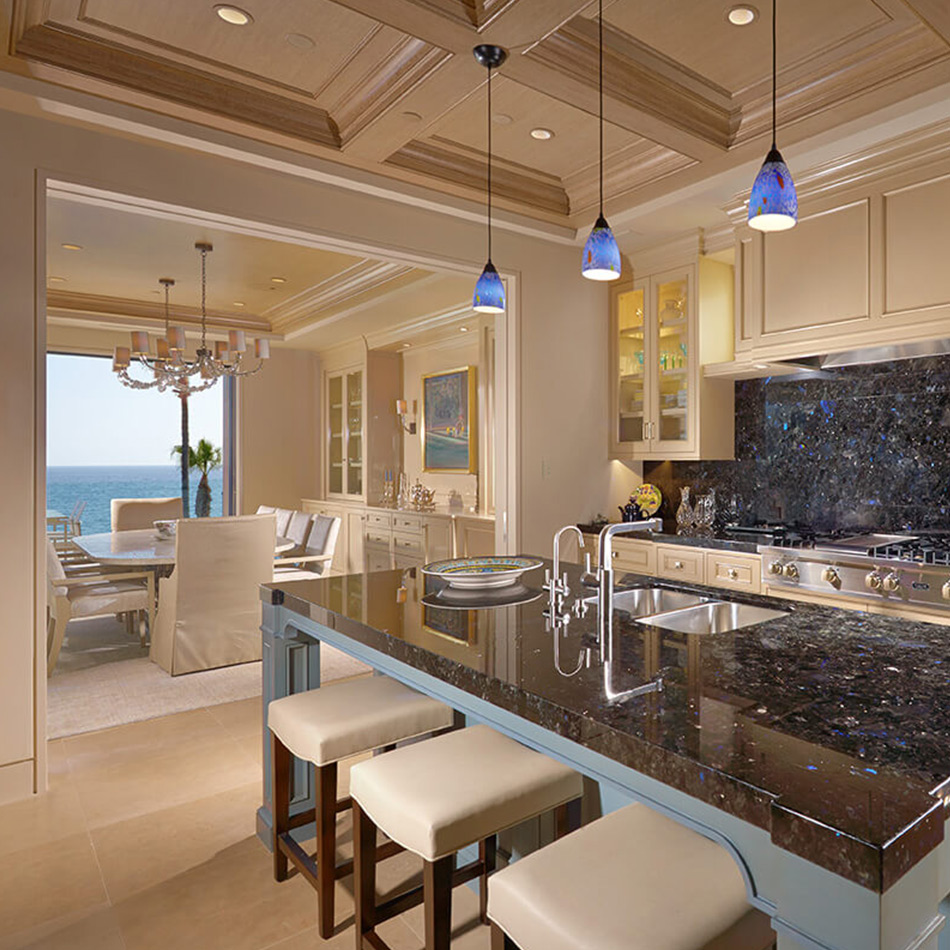
Why Is Lighting Important in Architectural Design? A Complete Guide
Architecture gives a building its form. Lighting gives it life.
The most memorable spaces are rarely defined by structure alone. They are remembered because of how they feel; the warmth of a welcoming entry, the quiet elegance of a dining room, the dramatic reveal of a grand staircase, or the way natural and artificial light work together throughout the day. These experiences are the result of intentional architectural lighting design.
Lighting is often one of the last elements implemented during a construction project, yet it influences nearly every aspect of how a space is perceived and enjoyed. It shapes mood, reveals materials, guides movement, enhances artwork, supports daily living, and strengthens the relationship between architecture and its surroundings.
At Adaptive Design Group, we believe lighting goes beyond illumination. It is the artful integration of architecture, engineering, technology to create the optimal personal experience. When considered from the earliest stages of design, lighting can be fully integrated and expertly planned down to the last wire.
When done well, lighting (and fixtures) disappear into the background. Bad lighting is not only noticeable, but its also felt. It gives us anxiety and creates a certain intensity to a place. Knowing this, we take the complete opposite path. We build electrical and lighting plans that connect all the elements within a home, which ultimately gives the space life.
Because of this, lighting is in some ways an invisible architectural element, sometimes overlooked–yet it quietly elevates every room to uplift our every activity in that space. This is why lighting is the center of our world.
What Is Architectural Lighting Design?
Architectural lighting design is the practice and process of using light to enhance and connect architecture, rather than simply designing to illuminate it.
Unlike conventional lighting design, which may focus primarily on brightness or functionality, architectural lighting is integrated into the design of the building itself. Every fixture, beam angle, color temperature, and control strategy is selected to support the architecture, the interiors, and the way people experience the space.
Great architectural lighting is often unnoticed. Instead of drawing attention to the fixtures themselves, it reveals textures, defines volume, highlights craftsmanship, and creates atmosphere. Then going beyond the structure to plan lighting for how the space will be used, and what it will be filled with. From art and collections to furniture and more, each item is carefully accounted for.
This requires a deep understanding and willingness to collaborate with Architects, Interior Designers, Integrators, Builders and the Client.
The result is a home that feels balanced, welcoming, and timeless.
Lighting Shapes How We Experience Architecture
Every architectural detail tells a story.
Stone, wood, glass, steel, plaster, and natural materials each possess unique qualities that change dramatically depending on how they are illuminated. A textured limestone wall may appear flat under poor lighting, yet become rich with depth and character when lit from the proper angle. A vaulted ceiling may feel expansive and uplifting or disappear into darkness depending entirely on how light is introduced.
Lighting influences our perception of:
- Scale
- Proportion
- Texture
- Depth
- Color
- Rhythm
- Movement
These elements exist within the architecture, but light is what allows them to be fully appreciated.
This is why lighting should never be viewed as decoration alone. Light is an architectural medium that shapes the experience of every space.
Light Influences Emotion and Well-Being
Research has consistently demonstrated that lighting affects more than visibility; it influences how we feel, think, and function.
Exposure to appropriate lighting throughout the day helps regulate circadian rhythms, supporting healthy sleep cycles, alertness, and overall well-being. Warm lighting in the evening encourages relaxation, while brighter, cooler light can improve focus and productivity during daytime activities.
Beyond physiology, lighting also creates emotional connection.
Soft illumination encourages comfort and conversation. Carefully controlled contrast creates intimacy. Balanced ambient lighting fosters calm, while focused accent lighting adds excitement and visual interest.
A thoughtfully designed lighting environment doesn’t simply illuminate a room—it shapes the way people experience it.
The Difference Between Lighting and Architectural Lighting
Many homes have lighting. Far fewer have architectural lighting. The difference lies in intention.
Standard lighting often prioritizes fixture placement, brightness, and basic function. Architectural lighting begins by asking different questions:
- What should people notice first?
- How should the architecture be experienced?
- Which materials deserve emphasis?
- How will this space be used throughout the day?
- What emotional response should it create?
These questions transform lighting from a collection of fixtures into a carefully composed design system.
Instead of filling every corner with light, architectural lighting embraces contrast, allowing moments of shadow to give illuminated areas greater impact.
Sometimes what remains dark is just as important as what is illuminated.
The Adaptive Method™: A Layered Approach to Lighting
At Adaptive Design Group, every project begins with a structured methodology known as the Adaptive Method™.
Rather than treating lighting as a single system, we design using eight interconnected layers that work together to create a complete architectural experience.
These layers include:
- Architecture
- Decorative
- Art
- Path
- Task
- Interior Design
- View
- Exterior
Each layer fulfills a unique purpose while supporting the others. Decorative fixtures establish visual rhythm. Task lighting enhances everyday functionality. Art lighting reveals collections with museum-quality precision. Exterior lighting creates arrival and extends the architectural narrative into the landscape.
Together, these layers produce environments that feel natural, balanced, and cohesive.
Using this, we are able to approach every project in a unique way that’s still consistent with the standards we apply to all projects. Our template is in our process.
Rather than asking, “How much light does this room need?” we ask, “How should this space be experienced?”
Why Collaboration Matters
Exceptional lighting design is never created in isolation.
It evolves through collaboration between architects, interior designers, builders, owner representatives, electrical engineers, and lighting designers.
By integrating lighting into the design process from the earliest planning stages, opportunities emerge that simply cannot be replicated later. Ceiling details can be coordinated around lighting strategies. Millwork can conceal fixtures. Structural elements can become opportunities for illumination instead of obstacles.
When lighting is considered alongside architecture instead of after construction, every discipline benefits.
This collaborative process ultimately produces homes that are more refined, more functional, and more cohesive.
Technology Supports Great Design
Today’s lighting systems offer remarkable flexibility.
Integrated controls allow homeowners to create scenes tailored to every moment of the day—from welcoming guests to enjoying artwork, entertaining outdoors, or preparing for quiet evenings at home.
Color temperature can shift naturally throughout the day. Lighting levels can be adjusted instantly. Exterior lighting can respond to seasonal changes. Art lighting can be individually calibrated without affecting the surrounding environment.
Yet technology alone does not create exceptional lighting.
Technology should remain invisible, quietly supporting architecture rather than becoming its focus.
At Adaptive Design Group, engineering and programming exist to serve design—not the other way around.
Luxury Is Found in the Details
Luxury architectural lighting is rarely defined by extravagance. Instead, it is revealed through precision.
It is the carefully framed beam illuminating a sculpture without spill. The subtle glow that guides a stairway without exposing the fixture. The warmth of a dining room that naturally encourages conversation. The evening landscape that feels inviting while preserving the beauty of the night.
These details are often invisible individually. Together, they create homes that feel effortless.
That sense of effortlessness is, in reality, the result of thousands of thoughtful decisions made long before the homeowner ever flips a switch.
The Lasting Value of Thoughtful Lighting Design
Architecture is designed to endure for generations. Lighting should be designed with the same longevity in mind.
When integrated thoughtfully, architectural lighting continues to reveal beauty long after construction is complete. It adapts to changing lifestyles, showcases evolving art collections, supports wellness, and strengthens the connection between people and the spaces they inhabit.
The best lighting designs never feel trendy or excessive. They feel timeless because they are rooted in the architecture itself.
For homeowners, architects, and builders alike, investing in architectural lighting is ultimately an investment in the experience of the home.
It is the difference between simply seeing a space and truly experiencing it.
Begin Designing With Light
The most extraordinary homes begin with extraordinary collaboration. Whether you’re designing a custom residence, renovating an existing estate, or planning a home around a significant art collection, architectural lighting should be part of the conversation from the very beginning.
Connect with Adaptive Design Group to schedule a consultation and discover how intentional lighting design can elevate architecture, enrich daily living, and transform the way your home is experienced.