

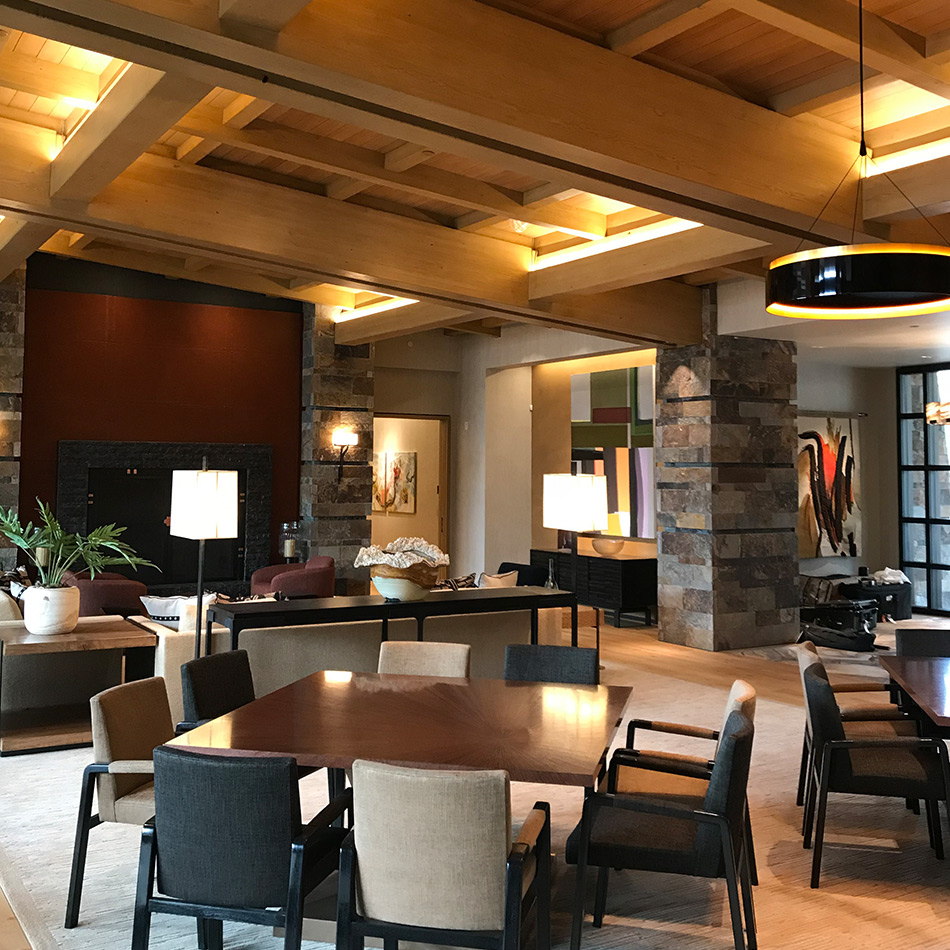
The Role of Lighting in Architecture and Interior Design
Architecture creates the foundation and framework of a space. Interior design brings personality, comfort, and character. Lighting is the element that connects them. With Lighting in Architecture, you’ll quickly see the difference when illumination begins revealing form, enhancing materials, and shaping how a space is experienced throughout the day.
The role of lighting in architecture is elevated far beyond visibility. Thoughtful illumination has the ability to define scale, highlight craftsmanship, create atmosphere, and influence the way people move through and connect with a home.
A beautifully designed residence is not experienced only through its walls, finishes, and furnishings. It is experienced through the interaction of every element, and bringing it all together in perfect harmony is light.
Light as an Architectural Element
Great architectural lighting begins with understanding the structure itself.
Every material responds differently to illumination. Natural stone reveals texture through grazing light. Wood gains warmth through carefully balanced color temperatures. Glass, metal, and reflective surfaces require precision to avoid glare while maintaining visual harmony.
The goal is not to overpower architecture with light, but to reveal what already exists.
This approach allows lighting to become part of the architecture rather than an addition placed within it.
Creating Balance Between Architecture and Interior Design
Interior spaces require more than a single source of illumination, and the more the lighting is divided into purposes, the more the plan becomes clear.
A successful lighting design considers multiple layers working together:
- Ambient lighting establishes overall comfort and atmosphere.
- Task lighting supports daily activities.
- Decorative lighting adds visual interest and personality.
- Accent lighting highlights artwork, materials, and architectural details.
- Exterior lighting extends the experience beyond the walls of the home.
At Adaptive Design Group, this philosophy is central to the Adaptive Method™—a layered approach that ensures every element of light serves a purpose. From furniture to art collections, walkways, and task spaces. Everything has its own place in the plan.
When these layers are thoughtfully integrated, spaces feel natural, balanced, and intuitive.
Designing for How Spaces Are Experienced
The best lighting responds to the people who live within a space.
A kitchen may transition from a functional workspace in the morning to a welcoming gathering environment in the evening. A living room may shift from bright and open during the day to warm and intimate after sunset.
Lighting allows architecture and interiors to evolve with the moments of daily life.
Through carefully designed controls, color temperature, and intensity adjustments, a home can maintain the connection between natural rhythms and the built environment.
The Invisible Influence of Exceptional Lighting
Some of the most successful lighting designs are the ones people rarely notice directly.
Instead, they notice how the space feels.
And truly, if the lighting in a space wasn’t successful, it’s easy to tell. The discomfort and anxiety of a space like that is something we have all felt. By this, we know the opposite is true.
People notice the warmth of a room, the beauty of a material, the emphasis on a piece of artwork, or the effortless transition between indoor and outdoor environments.
That is the true role of architectural lighting—to support the design, enhance the experience, and allow every element of a space to be appreciated fully.
Illuminate Architecture With Intention
Lighting is one of the most powerful tools in architectural design. When thoughtfully integrated, it transforms homes from beautifully constructed spaces into environments that feel complete.
Begin the conversation with Adaptive Design Group to discover how architectural lighting can enhance your project through intentional design, technical precision, and a deeper understanding of how spaces are experienced.