

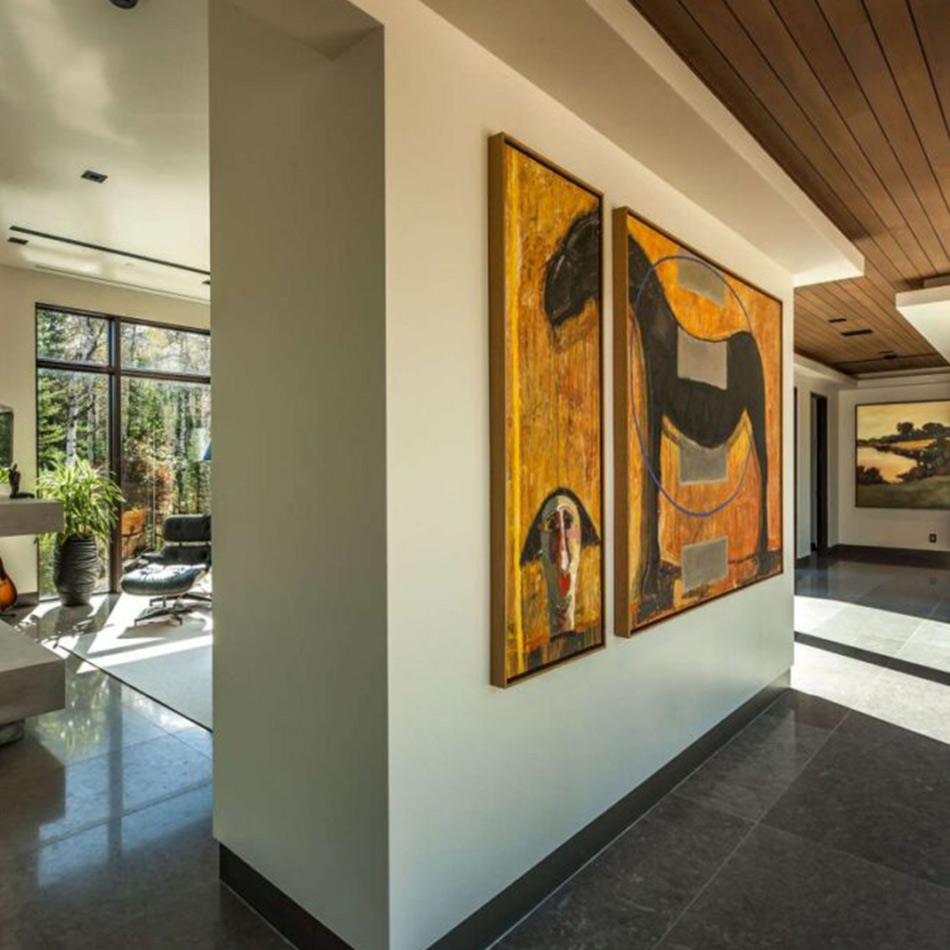
Interior Architectural Lighting: Enhancing Materials, Form, and Space
The finest interiors are designed with intention. Interior Architectural Lighting is the science behind it.
Every material, finish, and architectural detail contributes to the character of a space. Natural stone, handcrafted wood, custom millwork, artwork, textiles, and furnishings are carefully selected to create a complete experience.
Interior lighting is what allows those details to be fully understood.
Thoughtful illumination reveals texture, creates depth, and establishes the atmosphere that transforms a beautifully designed room into an environment that feels complete.
Lighting goes beyond filling a space. It defines how that space is experienced.
Revealing the Character of Materials
Every material interacts with light differently.
Stone can appear sculptural when illuminated with precision. Wood gains warmth and richness through carefully balanced color temperatures. Glass and reflective surfaces require thoughtful control to avoid glare while maintaining visual interest.
The role of interior lighting is not to overpower these elements, but to enhance them.
Through techniques such as grazing, accenting, and indirect illumination, lighting can reveal qualities that might otherwise go unnoticed.
Texture becomes more visible.
Depth becomes more apparent.
Architecture gains dimension.
Creating Layers Within Interior Spaces
Exceptional interiors are never illuminated by a single source. A successful lighting design combines multiple layers that work together to create balance and flexibility.
Architectural lighting defines the space and establishes comfort and overall atmosphere.
Task lighting supports activities such as cooking, reading, and working.
Decorative lighting introduces personality and visual interest.
Accent lighting highlights artwork, architectural details, and important features.
This layered approach is central to the Adaptive Method™—ensuring every element of illumination contributes to the complete experience.
Interior Architectural Lighting as Part of Interior Design
Lighting and interior design are deeply connected.
The placement of furniture, the selection of materials, the color palette, and the architectural details all influence how light should interact with the space.
Collaboration between lighting designers and interior designers allows every element to work together.
A dining space may require a warm, intimate atmosphere for entertaining. A gallery wall may require precise illumination to preserve color and reveal detail. A great room may need flexibility for quiet evenings or large gatherings.
The lighting should support every moment.
The Importance of Contrast and Shadow
Great lighting is not defined by brightness alone. Shadow plays an equally important role.
Contrast creates visual hierarchy and allows the eye to move naturally through a space. Carefully controlled shadows add depth, while highlights draw attention to the elements that matter most.
This balance between light and shadow is what gives interiors their sense of richness and dimension.
A room becomes more than a collection of objects. It becomes an experience.
Designing Interior Architectural Lighting That Feel Complete
Interior architectural lighting is where technology, artistry, and human experience meet.
When thoughtfully designed, lighting enhances the architecture, elevates materials, and creates spaces that feel natural throughout the day and evening.
The best lighting does not compete with the interior. It reveals it.
Illuminate Your Interior Vision
Exceptional interiors deserve lighting that respects the craftsmanship behind every detail. Adaptive Design Group works with architects, designers, builders, and homeowners to create lighting environments that enhance materials, elevate architecture, and bring spaces to life.
Begin the conversation with Adaptive Design Group to discover how intentional interior lighting design can transform your next project into an experience that is as refined as the architecture itself.