

Ambient Light Strategies in Architectural Design: Creating Balance and Depth
To some, Ambient Lighting is the way a room feels. To us its the combined efforts of carefully planned and strategically layered lighting, transforming the way people experience the space. Light is one of the most influential elements within architecture, yet it is often underestimated, and misunderstood.
Many people think of lighting in terms of brightness—how much illumination is needed to see a room clearly. But exceptional architectural lighting is not defined by quantity alone. It is defined by balance, intention, and the way light shapes the experience of a space.
Ambient lighting provides the foundation of that experience.
As one of the most important layers in architectural lighting design, ambient illumination establishes comfort, atmosphere, and visual balance while allowing other elements—such as artwork, architecture, and decorative fixtures—to stand out with purpose.
What Is Ambient Lighting?
Ambient lighting is the overall illumination that allows a space to feel comfortable and inviting.
Unlike task lighting, which focuses on specific activities, or accent lighting, which highlights specific features, ambient lighting creates the general environment of a room.
However, in luxury residential design, ambient lighting is rarely achieved through a single source.
Instead, it is carefully integrated through a combination of:
- Concealed architectural lighting
- Indirect illumination
- Recessed fixtures
- Decorative elements
- Reflected light
- Natural daylight integration
The goal is to create a sense of ease without making the lighting itself the focus.
Creating Depth Through Contrast
One of the most important principles of exceptional lighting design is understanding the relationship between light and shadow.
A space where every surface is equally illuminated can feel flat and uninspiring. Contrast creates depth, movement, and visual interest. Architectural features become more noticeable when they are intentionally revealed.
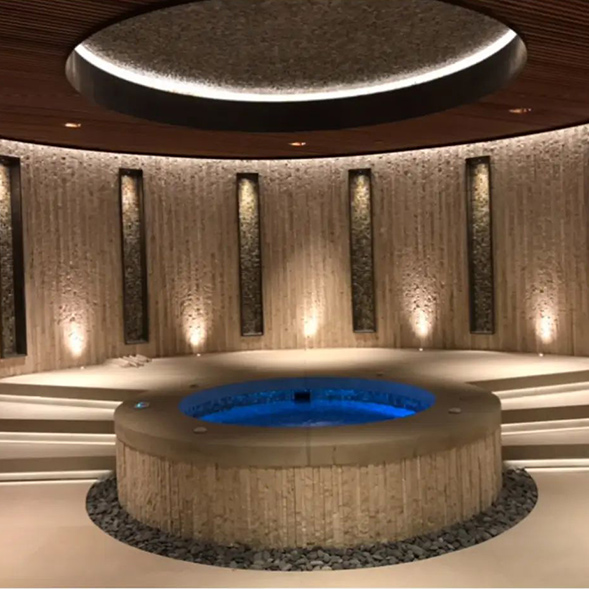
A textured stone wall may come alive through soft grazing light. A vaulted ceiling may gain dimension through carefully placed illumination. A piece of artwork may become a focal point through controlled contrast.
Light gives the eye a pathway through the architecture.
Ambient Light and the Human Experience
Lighting also has a powerful influence on how people feel within a space. Warm, balanced illumination can create a sense of comfort and relaxation, while poorly designed lighting can create glare, fatigue, or visual discomfort.
A thoughtfully designed home responds to the natural progression of the day. Bright, energizing environments can support morning routines and active spaces, while warmer evening scenes encourage relaxation and connection.
Through integrated controls, lighting can adapt to different moments, activities, and experiences.
Ambient Lighting Within the Adaptive Method™
At Adaptive Design Group, ambient lighting is considered as part of a complete layered approach.
Through the Adaptive Method™, each layer of illumination works together to create a cohesive environment.
Architectural lighting reveals structure.
Decorative lighting creates personality.
Accent lighting highlights important details.
Exterior lighting extends the experience beyond the home.
Together, these layers create spaces that feel natural, intentional, and timeless. This is what Ambient lighting is built from.
Designing Light With Purpose
The most successful lighting environments are not the ones with the most fixtures or the brightest rooms.
They are the spaces where every element feels considered.
Ambient lighting creates the foundation that allows architecture, interiors, and experiences to come together.
Connect with Adaptive Design Group to explore how intentional lighting strategies can bring balance, depth, and lasting comfort to your next residential or architectural project.