
Posts Tagged :

architecturallighting

Seamless Illumination lighting design collaboration What is Architectural Lighting
What is Architectural Lighting? 750 750 Adaptive Design Group, Inc.

What is Architectural Lighting?

What is Architectural Lighting?

The culmination of Art, Design, and Technology. 

Architecture is a design language that communicates through form, proportion, and material. Yet without light, that language remains quiet, and incomplete. Architectural lighting is what gives it volume, clarity, presence, and emotional resonance.

At its core, architectural lighting is the intentional use of light to enhance and reveal the built environment. The elevated approach ascends above just visibility and function. It is about shaping how architecture is experienced by complementing structure, defining space, and bringing meaning to design.

Create exceptional outcomes that transform space into invitation and form into function. 

Lighting plays a critical role in expressing these values. It influences how we feel within a space, how we interpret its purpose, and how we connect with it over time. Whether a home is designed to feel warm and intimate or expansive and dramatic, lighting is the catalyst that ultimately delivers that experience.


Architectural Lighting vs. Lighting Design

While the terms are often used interchangeably, architectural lighting and lighting design are not exactly the same.

Architectural lighting is focused specifically on the architecture itself; the forms, materials, and spatial relationships. It works to emphasize structure, reveal texture, and support the overall design intent of a building.

Lighting design, more broadly, may include functional and lifestyle considerations—ensuring that spaces are comfortable, usable, and appropriately illuminated for daily life. This includes task lighting, ambient lighting, and other practical applications that support how people live and interact within a space.

At Adaptive Design Group, these disciplines are integrated into a unified approach. Through the Adaptive Method™, architectural lighting exists alongside other essential layers: Architecture, Decorative, Art, Path, Task, Interior Design, View, and Exterior. Each layer contributes to a comprehensive and cohesive lighting environment.


Lighting the Intersection of Art, Design, and Technology

Architectural lighting exists at the intersection of multiple disciplines. It blends the artistry of architecture with the precision of engineering and the innovation of lighting technology.

Modern advancements in LED systems have dramatically expanded what is possible. Today, lighting can be integrated seamlessly into ceilings, walls, and millwork while allowing the effect of light to be experienced without the distraction of visible fixtures. This level of integration enables designers of all disciplines to build and shape spaces with subtlety and control.

Beyond technology, architectural lighting also draws from fields such as physics, engineering, and even human psychology. Light influences perception, mood, and behavior. It can create a sense of calm, establish visual hierarchy, and guide movement through a space. These effects are not left up to chance, they are carefully considered and designed with intention.


Common Applications of Architectural Lighting

Architectural lighting is expressed through a variety of applications, each serving a specific purpose within the overall design.

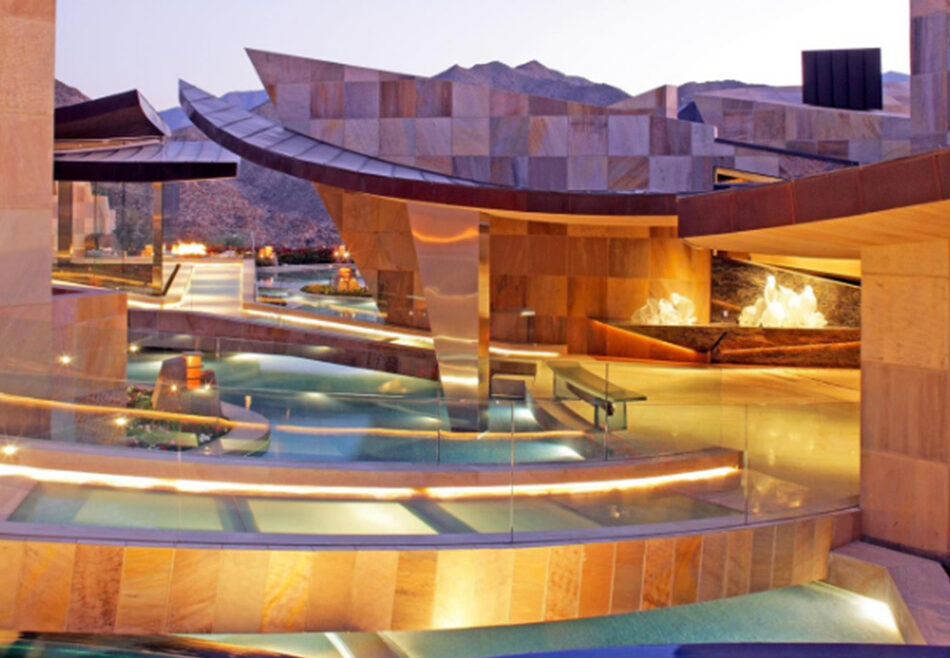
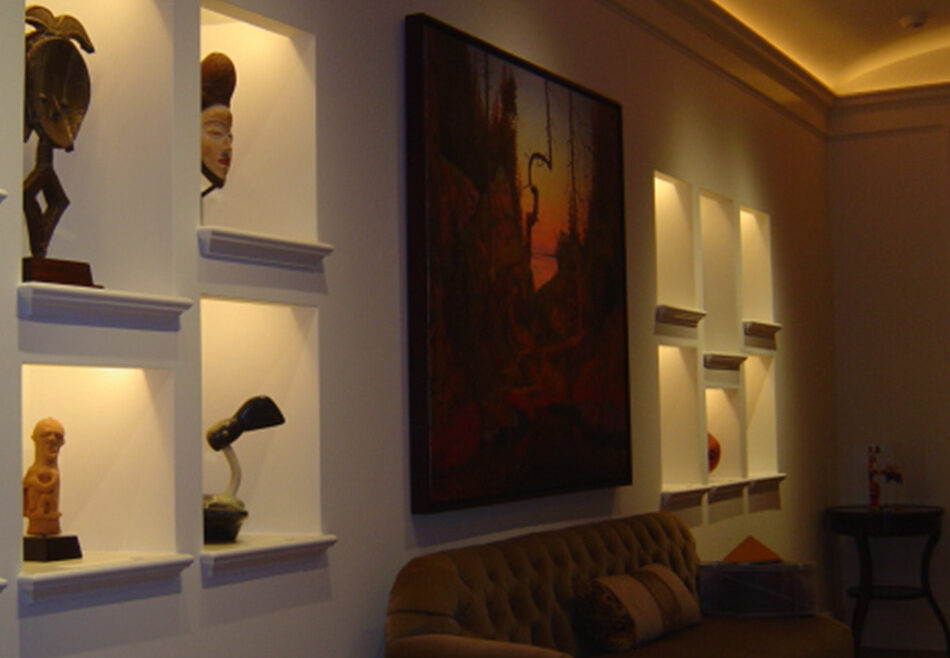
Cove lighting introduces soft, indirect illumination that enhances ceilings and adds depth to a space. Uplighting emphasizes vertical surfaces, drawing attention to walls, columns, and architectural features. Linear recessed lighting provides clean, continuous lines of light that integrate seamlessly into modern architecture. Surface and suspension lighting can also play a role when designed to complement the architectural language of a space.

We take this a step further through the Adaptive Method™. We have created a refined process which includes all potential areas to plan and design for in any Residential Luxury Lighting Project. Consisting of eight layers, we engineer and integrate lighting for Architecture, Decorative, Art, Path, Task, Interior Design, View, and Exterior.

These applications are often achieved through specification-grade lighting systems—products that offer flexibility, precision, and customization. This allows us, as lighting designers, to tailor each solution to the unique requirements of the project.


The Significance of Lighting in Architecture

Lighting has the ability to transform architecture from static to experiential. During the day, natural light defines the space. At night, architectural lighting takes the lead in reshaping the environment and revealing new dimensions of the design.

It is through this flexibility in transition that lighting becomes most powerful. Materials take on new character, textures become more pronounced, and spaces develop a sense of depth and atmosphere that cannot be achieved through daylight alone.

When thoughtfully planned and flawlessly executed, architectural lighting does not compete with the design – it completes it.


Final Thoughts

Architectural lighting is ultimately about storytelling. Every building has a narrative; defined by its design, its purpose, and its context. Lighting brings that narrative to life, guiding the eye and shaping the experience of those who move through the space.

Architecture and lighting are not competing elements. They are two parts of a unified whole, each strengthening the other. When integrated with intention, they create environments that are not only seen, but felt.

If you’re exploring how our lighting design can elevate your project, connect with our team to begin designing a space where light and architecture work in complete harmony.

#AdaptiveDesignGroup

Collaborative Lighting Excellence architectural lighting design
The Art of Architectural Lighting Design: Shaping Experience Through Illumination 589 589 Adaptive Design Group, Inc.

The Art of Architectural Lighting Design: Shaping Experience Through Illumination

The Art of Architectural Lighting Design: Shaping Experience Through Illumination

Architectural Lighting design is artfully engineering experience within a structure and throughout space.

Lighting design is both a technical discipline and an artistic practice. It shapes how spaces are perceived, how materials are experienced, and how environments evolve from day to night.

At its core, lighting design is about intention. It is the deliberate placement and control of light to reveal architecture, define space, and create atmosphere. Every decision, from beam angle to color temperature, contributes to the overall composition and experience.

The Adaptive Method™ provides a structured approach to this artistry. By working through our predefined eight layers of light, each element of the design is considered and integrated. This allows for a level of refinement that goes beyond basic illumination.

Artistry in lighting design also requires restraint. It is not about adding more light, but about placing it with intention. Each type of lighting serves a unique and distinct purpose. Task lighting helps with daily activities, while path lighting helps you navigate with ease and comfort. Negative space—areas left in shadow—can be just as important as illuminated surfaces, creating contrast and depth that give a space dimension.

This balance between elements using light and shadow is what allows architecture to breathe. It introduces rhythm, highlights form, and creates moments of quiet within the overall composition.

When lighting is approached as an art form, it elevates the entire design; Thus transforming a home into an experience that is both visually compelling and deeply felt.

Light has the ability to guide the eye, create contrast, and evoke emotion. It can transform a space from functional to memorable, from static to dynamic. When applied with precision, it becomes an invisible force that enhances every aspect of the home. This is the core tenet of superior architectural lighting design.

In luxury residential design, this level of artistry is not only important, but its absolutely essential. It ensures that the architecture is experienced as intended, and that each space feels both cohesive and elevated.

Discover the artistry behind exceptional lighting design—connect with our team to begin creating a home defined by light.

#AdaptiveDesignGroup

Two Kinds of Light Lighting Design Idaho Specialists
Idaho Lighting Design Specialists: Bringing Warmth and Precision to Mountain Living 589 589 Adaptive Design Group, Inc.

Idaho Lighting Design Specialists: Bringing Warmth and Precision to Mountain Living

Idaho Lighting Design Specialists: Bringing Warmth and Precision to Mountain Living

Lighting design in perfect balance with nature.

Idaho’s natural beauty offers a unique canvas for luxury residential design. With expansive landscapes, rugged terrain, and a strong connection to the outdoors, homes in this region require a lighting approach that respects both architecture and environment.

Lighting design in Idaho is defined by balance. It must provide warmth and comfort within the home while maintaining a connection to the surrounding landscape. Exterior lighting is carefully integrated to guide movement and highlight key features, while preserving the natural darkness that defines the region.

Inside, lighting enhances materials and architectural elements, creating a sense of depth and cohesion. Large windows and open spaces require layered illumination to maintain balance after sunset. The Adaptive Method™ ensures that each layer of light contributes to a unified experience.

Why Idaho Lighting Design Specialists are critical to success:

In Idaho, the relationship between home and landscape is often more intimate, with properties designed to feel integrated into their surroundings. Lighting must reinforce this connection, highlighting natural elements without disrupting their authenticity.

Dark sky considerations are also important in many regions, where preserving the natural night environment is a priority. Thoughtful lighting design minimizes light pollution while still providing clarity and safety.

This approach results in a home that feels both refined and respectful. Our lighting design becomes an extension of the land rather than an interruption of it.

At Adaptive Design Group, we approach these projects with an emphasis on subtlety and precision. Lighting is designed to support the architecture, not compete with it. The result is a home that feels both refined and deeply connected to its environment.

Begin your lighting design journey with our team to create a home in Idaho that feels exceptional year around.

#AdaptiveDesignGroup

Colorado Lighting Design
Colorado Lighting Design: Elevating Mountain Luxury Homes 770 1000 Adaptive Design Group, Inc.

Colorado Lighting Design: Elevating Mountain Luxury Homes

Colorado Lighting Design: Elevating Mountain Luxury Homes

Lighting design as beautiful as it is rugged.

Colorado’s mountain landscapes provide a dramatic backdrop for luxury residential architecture. From expansive views to rugged natural materials, these homes are designed to thrive in their environment. Lighting plays a crucial role in bringing that design to life after sunset.

In mountain settings, lighting must address unique challenges. Snow reflection, large glass surfaces, and dramatic elevation changes all influence how light behaves within and around a home. A thoughtful approach ensures that these elements are enhanced rather than disrupted.

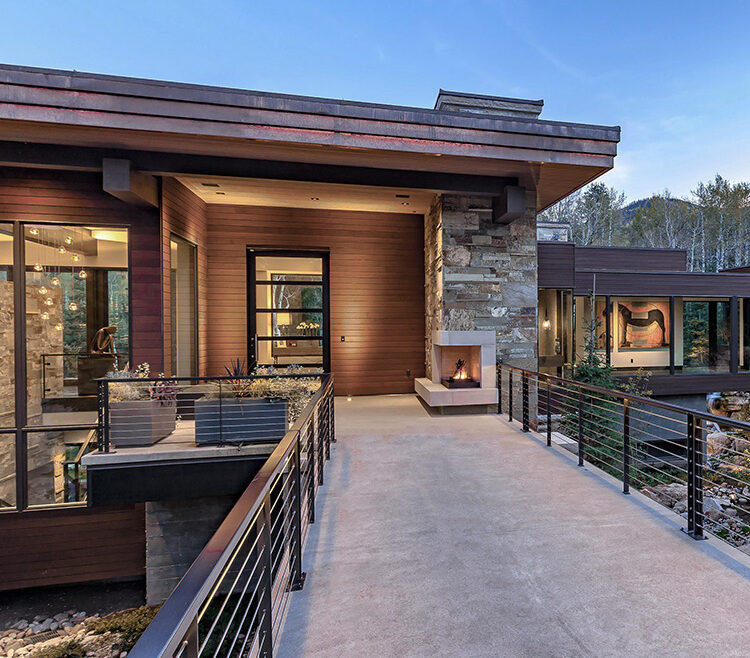
At Adaptive Design Group, our lighting design process considers both the architectural intent and the surrounding landscape. Exterior lighting is used to define arrival, guide movement, and highlight key features without overwhelming the natural setting. Interior lighting balances the warmth of materials like wood and stone with the openness of expansive views.

Seasonality also plays a significant role in how lighting is experienced in Colorado. Long winter nights and shorter days require a system that provides warmth and balance without overwhelming the space. Layered lighting allows for focused precision and subtle shifts that respond to these seasonal changes, maintaining comfort throughout the year.

Outdoor living spaces, often used year-round, benefit from carefully controlled illumination that supports both safety and ambiance. Fire features, terraces, and gathering areas become extensions of the interior, unified through a consistent lighting approach.

This sensitivity to environment ensures that lighting feels natural, enhancing both the architecture and the landscape it inhabits – without diminishing or competing with it.

The Adaptive Method™ allows for a layered approach that adapts to the environment. Each layer contributes to a cohesive experience, ensuring that the home feels both grounded and refined.

In Colorado’s mountain regions, lighting design becomes an extension of the architecture—revealing form, enhancing texture, and creating a sense of comfort within a dramatic landscape.

If you are building in Colorado, reach out to begin a lighting design that complements both architecture and environment.

#AdaptiveDesignGroup

Quality is never accidental Technical Lighting Design
Where Engineering Meets Art: The Foundation of Technical Lighting Design 589 589 Adaptive Design Group, Inc.

Where Engineering Meets Art: The Foundation of Technical Lighting Design

Where Engineering Meets Art: The Foundation of Technical Lighting Design

We are masters of lighting design engineering. 

Behind every refined lighting design is a foundation of engineering that ensures precision, performance, and longevity. While the visual impact of lighting is often what draws attention, it is the technical execution that makes it possible.

Technical Lighting Design requires a careful balance between art and engineering. Beam angles must be calculated to highlight specific elements without creating glare. Fixture placement must align with architectural details. Control systems must be programmed to deliver consistent, adaptable performance across the entire home.

At Adaptive Design Group, we understand how engineering is integral to ultra luxury lighting design. Through the Adaptive Method™, each layer of light is supported by technical considerations that ensure it performs as intended. From electrical planning to control integration, every detail is planned so that it can be executed with precision.

Engineering also plays a critical role in sustainability and efficiency. Thoughtfully designed systems reduce unnecessary energy use while maintaining optimal performance. This balance is particularly important in large residences, where lighting systems can become complex and resource-intensive if not properly planned.

In addition, well-engineered lighting systems are easier to maintain and adapt over time. Clear documentation, precise specifications, and coordinated installation ensure that the system continues to perform as intended long after construction is complete.

This level of foresight allows lighting design to remain both beautiful and functional for years to come.

Our approach to designing and planning allows lighting to feel effortless. Spaces are evenly illuminated, focal points are clearly defined, and transitions between environments are seamless. The complexity of the system remains hidden, allowing the experience to take center stage.

In luxury residential projects, this level of engineering is essential. It ensures that the design vision is not only achieved, but sustained over time.

Connect with our team to explore how engineering-driven lighting design can elevate your next project.

#AdaptiveDesignGroup

Modern Mountain Luxury simply stunning Hiring a Professional Lighting Designer
Why Hiring a Professional Lighting Designer Transforms Luxury Homes 589 589 Adaptive Design Group, Inc.

Why Hiring a Professional Lighting Designer Transforms Luxury Homes

Why Hiring a Professional Lighting Designer Transforms Luxury Homes

A professional lighting designer connects all the elements in your home. 

Lighting has the power to define how a home is experienced, yet it can be one of the most overlooked elements in residential design. Going beyond fixtures, hiring a professional lighting designer ensures that this critical component is approached with the expertise it requires.

Lighting design involves a deep understanding of architecture, engineering, and human experience. It requires careful consideration of beam angles, color temperature, control systems, and spatial relationships. These elements must work together seamlessly to create an environment that feels cohesive and intentional. In turn, this is what makes a luxury home stand apart from the rest.

At Adaptive Design Group, our role extends beyond design. We collaborate with architects, interior designers, and builders to ensure that lighting planned and fully integrated into the project from the earliest stages. This coordination prevents costly revisions and ensures that every detail aligns with the overall vision.

Another advantage of working with a professional lighting designer is the ability to anticipate challenges before they arise. Conditions such as glare, shadowing, or uneven illumination are often not apparent until late in the process—when they are far more difficult to correct. Early expertise ensures these issues are resolved before they become problems.

Professionals also bring a level of consistency across the entire home. Rather than treating each space independently, lighting is designed as a cohesive system, ensuring that a space is welcoming and usable, and transitions feel natural and balanced. This continuity is a hallmark of Adaptive Design Group’s high-end design.

The Adaptive Method™ provides a structured approach, ensuring that all eight layers of light are addressed. This level of detail cannot be achieved through product selection alone—it requires a comprehensive design strategy.

Ultimately, hiring a lighting designer is an investment in both the experience and the longevity of the home.

For luxury homes, the difference is immediately apparent. Spaces feel balanced, materials are enhanced, and transitions between environments are seamless. Lighting becomes an invisible yet essential element of the architecture.

If you are planning a high-end residence, get in touch with our team to ensure your lighting design is handled with precision and expertise.

#AdaptiveDesignGroup

Path Lighting in the Adaptive Method luxury lighting features
Luxury is Defined Through Detail: Lighting Design Features That Elevate Custom Homes 750 750 Adaptive Design Group, Inc.

Luxury is Defined Through Detail: Lighting Design Features That Elevate Custom Homes

Luxury is Defined Through Detail: Lighting Design Features That Elevate Custom Homes

When the details are on point, lighting becomes an experience.

In luxury residential design, it is the details that create the experience. Lighting plays a critical role in shaping these moments, joining elements within a space, and transforming features into focal points and spaces into destinations.

What are Luxury Lighting Design Features That Elevate?

Custom project-specific lighting features allow each home to express its individuality. From illuminated staircases and integrated shelving to sculptural chandeliers and concealed architectural lighting, each element is designed with intention. These features are not added simply for effect, they part of the architecture and interior design itself.

At Adaptive Design Group, we approach these elements through the lens of the Adaptive Method™. Each feature aligns with a specific layer of light, ensuring that it contributes to the overall composition rather than standing apart from it – or trying to do everything with a single light or fixture. A backlit bar, for example, may combine decorative, task lighting, interior design and architectural layers, creating both function and atmosphere.

These features also serve as moments of storytelling within the home. A softly illuminated staircase can create a sense of movement and progression, while a backlit surface can introduce depth and visual intrigue. Each element contributes to a larger narrative—one that reflects the personality of the home and its occupants.

Integration is key. The most successful features are those that feel inherent to the architecture, not applied after the fact. This requires close coordination between professional design disciplines and a deep understanding of how light interacts with materials and form in a space.

When approached with this level of intention, lighting features ascends beyond decoration – it becomes defining elements of the design.

Precision is our standard. Lighting must enhance materials without overpowering them, highlight form without creating glare, and support the experience without drawing unnecessary attention to itself. When executed correctly, these features feel natural and purposeful.

Luxury custom homes provide an extraordinary opportunity to go beyond standard boxed solutions. To us, lighting is a design language, capable of expressing texture, scale, and mood in ways that are both subtle and impactful.

If you are designing a custom residence, connect with our team to explore how tailored lighting features can elevate every detail.

#AdaptiveDesignGroup

layered lighting design
The Adaptive Method™: Layered Lighting Design Mastery in Luxury Design 589 589 Adaptive Design Group, Inc.

The Adaptive Method™: Layered Lighting Design Mastery in Luxury Design

The Adaptive Method™: Layered Lighting Design Mastery in Luxury Design

Composing an illumination symphony through layered lighting design. 

Lighting design, at its highest level, goes far beyond individual fixtures. It is about layers working in harmony.

At Adaptive Design Group, our philosophy is formulated through the Adaptive Method™, an eight-layer system that assigns specific roles to each lighting element and defines how light interacts with architecture and interior environments. Each layer serves a distinct purpose and through this – none exists in isolation.

Architecture lighting reveals form and structure. Decorative lighting introduces visual rhythm and focal points. The Art layer brings collections to life with precision. Path lighting guides movement, while Task lighting supports function without intrusion. Interior Design lighting enhances materials and finishes. View lighting preserves sightlines and connection to the exterior. Finally, Exterior lighting extends the experience beyond the walls of the home.

Together, these layers create depth, contrast, and balance. Without our layering process, spaces can feel flat or overlit. With it, they gain dimension and nuance.

Each layer also serves a role in how a home is experienced year around. During the day, natural light may dominate, with artificial lighting supporting subtle transitions. In the evening, the balance shifts—allowing layered illumination to define the atmosphere, highlight key features, path lighting – all while creating a sense of warmth and intimacy.

Control systems play a crucial role in managing these layers. With properly programmed scenes, homeowners can shift between settings that support entertaining, relaxation, or everyday living. The last thing an owner wants is a space that feels static. This dynamic approach ensures that lighting is seamless and responsive to how the space is used.

The result is an environment that feels alive. We adapt lighting systems and technology seamlessly to reflect both the rhythm of the day and the needs of those within it.

The power of layered lighting lies in restraint. Not every layer is dominant at all times. No light fixture is expected to “do it all”. Instead, lighting is set and shifts with intention—supporting different moments throughout the day and evening. This adaptability is what transforms a home from simply well-lit to truly experiential.

The Adaptive Method™ ensures that every layer is considered, coordinated, and integrated from the earliest stages of design. It provides a framework that allows complexity to feel effortless.

Discover how layered illumination can transform your home by connecting with our team to begin your lighting design journey.

#AdaptiveDesignGroup

Seamless Illumination lighting design collaboration What is Architectural Lighting
Lighting Design Through Collaboration: The Power of the Technical Team 750 750 Adaptive Design Group, Inc.

Lighting Design Through Collaboration: The Power of the Technical Team

Lighting Design Through Collaboration: The Power of the Technical Team

Connecting your home with lighting, technology, and harmony.

Exceptional homes are the outcome of collaboration and planning between experts and the owner. At Adaptive Design Group, we help bring this all together – where architecture, interior design, engineering, and technology become unified with clarity and purpose.

Superior lighting design sits at the intersection of all of these elements. At Adaptive Design Group, we work as part of a unified technical team alongside architects, interior designers, builders, and integrators to ensure that lighting enhances and merges into a broader vision.

Collaboration begins early. As architectural plans take shape, lighting strategies are developed in parallel, influencing and planning in tandem with ceiling design, millwork, and spatial hierarchy. Interior designers contribute material palettes and focal points, while integrators ensure seamless control systems. With a comprehensive plan in place, we empower builders to bring constructability into focus, ensuring that every detail is executed precisely.

The Adaptive Method™ provides a shared language for this collaboration. By defining clear layers—Architecture, Decorative, Art, Path, Task, Interior Design, View, and Exterior—each member of the team understands how lighting contributes to the overall composition. This also ensures balance, harmony and above all functionality of every space we design for.

Strong collaboration also allows for creative opportunities that would not exist in isolation. When architects and lighting designers work closely, subtle adjustments to form or material can dramatically enhance how light is integrated and interacts with the space. These moments, while often subtle, create an elevated level of refinement that defines luxury environments.

Communication throughout the project lifecycle is equally critical. As construction progresses, conditions evolve, and details can be refined in real time. Without a strong plan in place, there is no telling what issues can arise. A cohesive team ensures that these adjustments are made thoughtfully, preserving the integrity of the original design while adapting to the realities of construction.

This continuous collaboration is what transforms a well-designed home into a truly exceptional one.

The result is a smoother and more cohesive process. Lighting feels natural, integrated, and purposeful because it has been considered from every angle. Conflict and competing ideas are a thing of the past while we envision a future of unified design intent brought to life.

In luxury residential projects, lighting design collaboration is essential to achieving a level of refinement that feels effortless.

Begin the conversation with our team to integrate lighting seamlessly into your next collaborative project.

#AdaptiveDesignGroup

Sweet dreams are made of THIS lighting design consultations
Why Lighting Design Consultations Define the Success of Luxury Homes 589 589 Adaptive Design Group, Inc.

Why Lighting Design Consultations Define the Success of Luxury Homes

Why Lighting Design Consultations Define the Success of Luxury Homes

Great lighting design consultants turn a dream into a plan. 

The most successful lighting designs begin long before fixtures are selected or installed. They begin with a conversation.

Lighting design consultations are not just a formality, they are the foundation upon which the entire experience of a home is built. At Adaptive Design Group, we know that the earlier this is done, the better the results. Planning lighting and technology design in an early phase allows us to understand and plan around the architecture, the client’s lifestyle, and the broader interior design intent. Truly, it is where visions become unified as a single direction.

During this stage, critical decisions are made. How will the home feel at night? Where will moments of emphasis occur? How will light interact with materials, artwork, and spatial transitions? These are not questions that can be answered late in construction. They must be addressed at the foundational and architectural level.

This is where our patented Adaptive Method™ begins. We create biddable buildable plans that identify and include all eight layers of light: Architecture, Decorative, Art, Path, Task, Interior Design, View, and Exterior. We establish a total inclusive framework that guides every subsequent decision. Each layer is intentional, and each contributes to a cohesive whole in how the space is to be experienced.

A well-executed consultation also establishes priorities. Both from each stakeholder, and of the space itself. Each element requires its own level of emphasis to ensure every feature is not competing for attention. We work expertly with the owner, architect, and interior designer to create a harmonious hierarchy and always avoid overloading spaces. By identifying focal points early—whether architectural, artistic, or experiential—we can allocate light with intention, ensuring clarity and purpose throughout the home.

Lighting Design consulting in the earliest phases also creates efficiency. When lighting is considered alongside architecture and engineering, redundancies are eliminated and systems are streamlined. This not only improves the end result, but also contributes to a smoother construction process and integration while diminishing revisions and delays.

Ultimately, the consultation is where alignment happens. We include vision, design, and execution into every bespoke lighting and technology plan. It is where a project moves from concept to direction, setting the tone and pace for everything that follows.

Without this early coordination, lighting often becomes fragmented. Spaces may be overlit or underlit. Architectural features can be lost. Opportunities for subtlety and refinement are missed. A consultation ensures that none of these compromises occur.

For architects, builders, and homeowners alike, this phase creates alignment across the entire technical team and throughout the project. It transforms lighting into an integral part of the design process that brings everything together in a unified and cohesive way.

If you are planning a custom residence, schedule a consultation to ensure your lighting design begins with clarity and intention.

#AdaptiveDesignGroup