

What is Architectural Lighting?
The culmination of Art, Design, and Technology.
Architecture is a design language that communicates through form, proportion, and material. Yet without light, that language remains quiet, and incomplete. Architectural lighting is what gives it volume, clarity, presence, and emotional resonance.
At its core, architectural lighting is the intentional use of light to enhance and reveal the built environment. The elevated approach ascends above just visibility and function. It is about shaping how architecture is experienced by complementing structure, defining space, and bringing meaning to design.
Create exceptional outcomes that transform space into invitation and form into function.
Lighting plays a critical role in expressing these values. It influences how we feel within a space, how we interpret its purpose, and how we connect with it over time. Whether a home is designed to feel warm and intimate or expansive and dramatic, lighting is the catalyst that ultimately delivers that experience.
Architectural Lighting vs. Lighting Design
While the terms are often used interchangeably, architectural lighting and lighting design are not exactly the same.
Architectural lighting is focused specifically on the architecture itself; the forms, materials, and spatial relationships. It works to emphasize structure, reveal texture, and support the overall design intent of a building.
Lighting design, more broadly, may include functional and lifestyle considerations—ensuring that spaces are comfortable, usable, and appropriately illuminated for daily life. This includes task lighting, ambient lighting, and other practical applications that support how people live and interact within a space.
At Adaptive Design Group, these disciplines are integrated into a unified approach. Through the Adaptive Method™, architectural lighting exists alongside other essential layers: Architecture, Decorative, Art, Path, Task, Interior Design, View, and Exterior. Each layer contributes to a comprehensive and cohesive lighting environment.
Lighting the Intersection of Art, Design, and Technology
Architectural lighting exists at the intersection of multiple disciplines. It blends the artistry of architecture with the precision of engineering and the innovation of lighting technology.
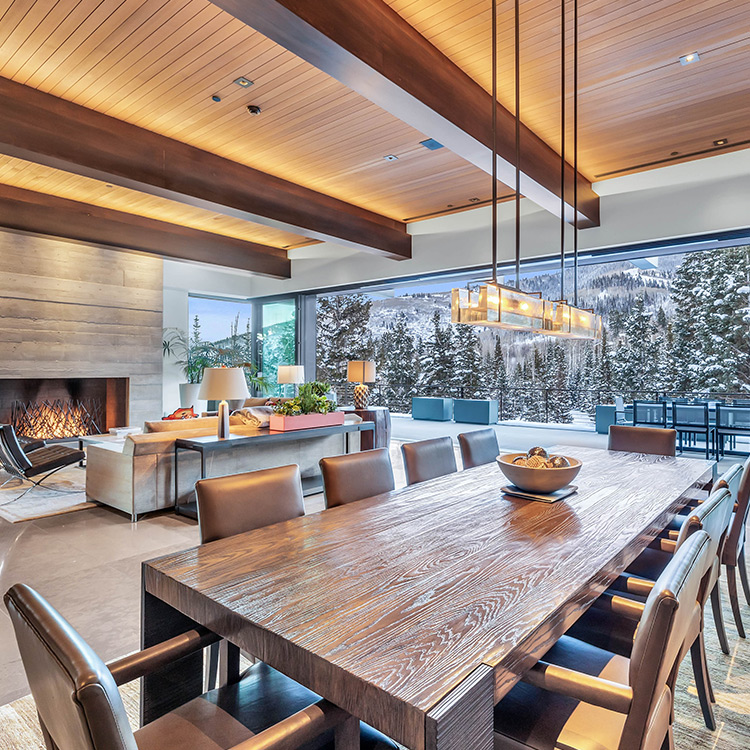
Modern advancements in LED systems have dramatically expanded what is possible. Today, lighting can be integrated seamlessly into ceilings, walls, and millwork while allowing the effect of light to be experienced without the distraction of visible fixtures. This level of integration enables designers of all disciplines to build and shape spaces with subtlety and control.
Beyond technology, architectural lighting also draws from fields such as physics, engineering, and even human psychology. Light influences perception, mood, and behavior. It can create a sense of calm, establish visual hierarchy, and guide movement through a space. These effects are not left up to chance, they are carefully considered and designed with intention.
Common Applications of Architectural Lighting
Architectural lighting is expressed through a variety of applications, each serving a specific purpose within the overall design.
Cove lighting introduces soft, indirect illumination that enhances ceilings and adds depth to a space. Uplighting emphasizes vertical surfaces, drawing attention to walls, columns, and architectural features. Linear recessed lighting provides clean, continuous lines of light that integrate seamlessly into modern architecture. Surface and suspension lighting can also play a role when designed to complement the architectural language of a space.
We take this a step further through the Adaptive Method™. We have created a refined process which includes all potential areas to plan and design for in any Residential Luxury Lighting Project. Consisting of eight layers, we engineer and integrate lighting for Architecture, Decorative, Art, Path, Task, Interior Design, View, and Exterior.
These applications are often achieved through specification-grade lighting systems—products that offer flexibility, precision, and customization. This allows us, as lighting designers, to tailor each solution to the unique requirements of the project.
The Significance of Lighting in Architecture
Lighting has the ability to transform architecture from static to experiential. During the day, natural light defines the space. At night, architectural lighting takes the lead in reshaping the environment and revealing new dimensions of the design.
It is through this flexibility in transition that lighting becomes most powerful. Materials take on new character, textures become more pronounced, and spaces develop a sense of depth and atmosphere that cannot be achieved through daylight alone.
When thoughtfully planned and flawlessly executed, architectural lighting does not compete with the design – it completes it.
Final Thoughts
Architectural lighting is ultimately about storytelling. Every building has a narrative; defined by its design, its purpose, and its context. Lighting brings that narrative to life, guiding the eye and shaping the experience of those who move through the space.
Architecture and lighting are not competing elements. They are two parts of a unified whole, each strengthening the other. When integrated with intention, they create environments that are not only seen, but felt.
If you’re exploring how our lighting design can elevate your project, connect with our team to begin designing a space where light and architecture work in complete harmony.